The Theater of Sinners
Play The Theater of Sinners
The Theater of Sinners Screenshots
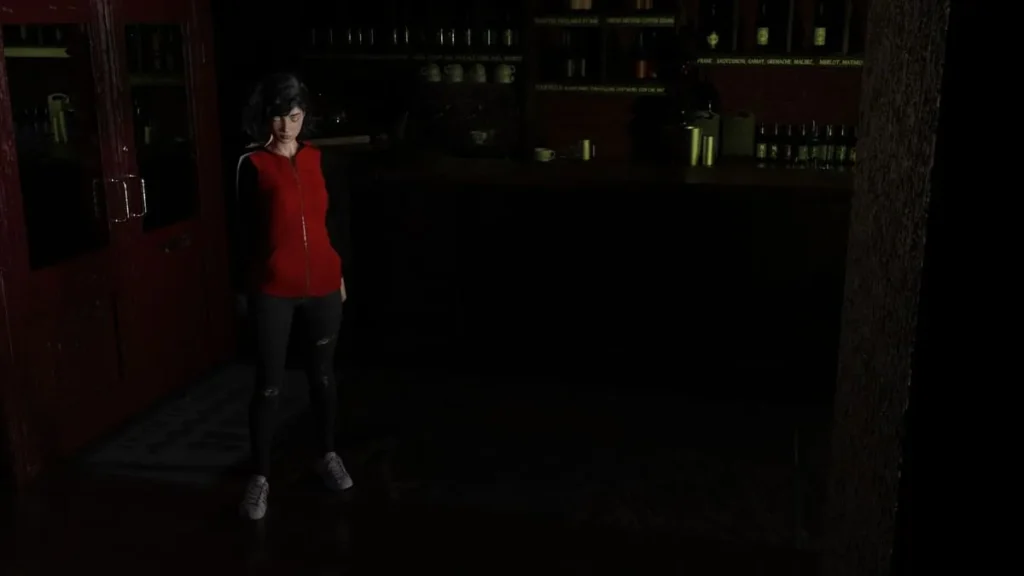
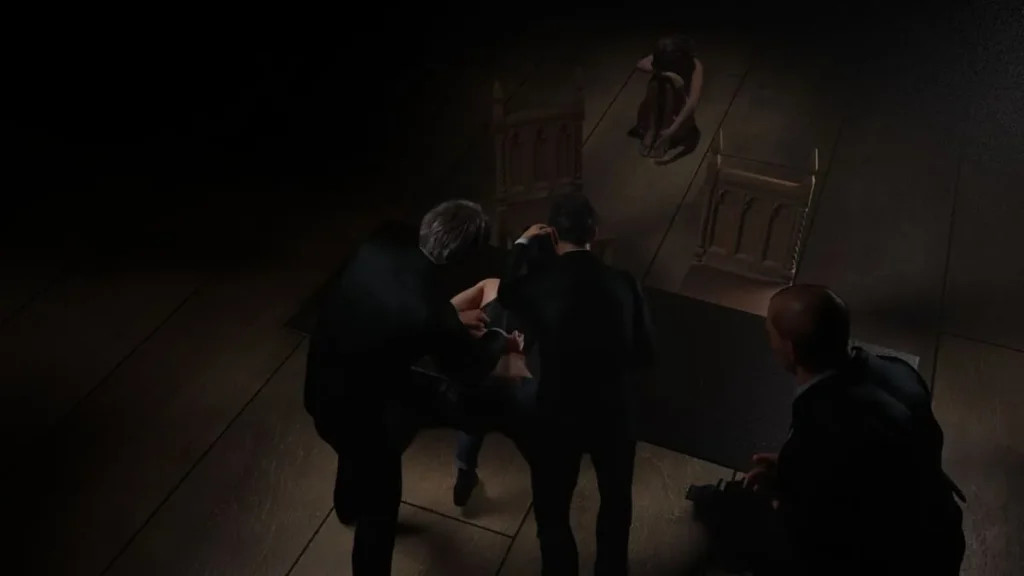
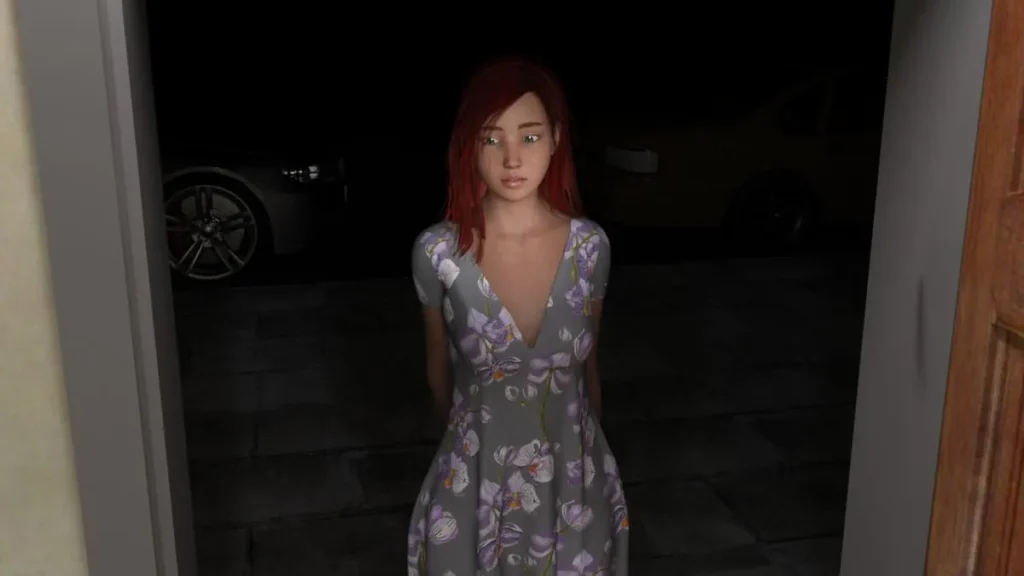
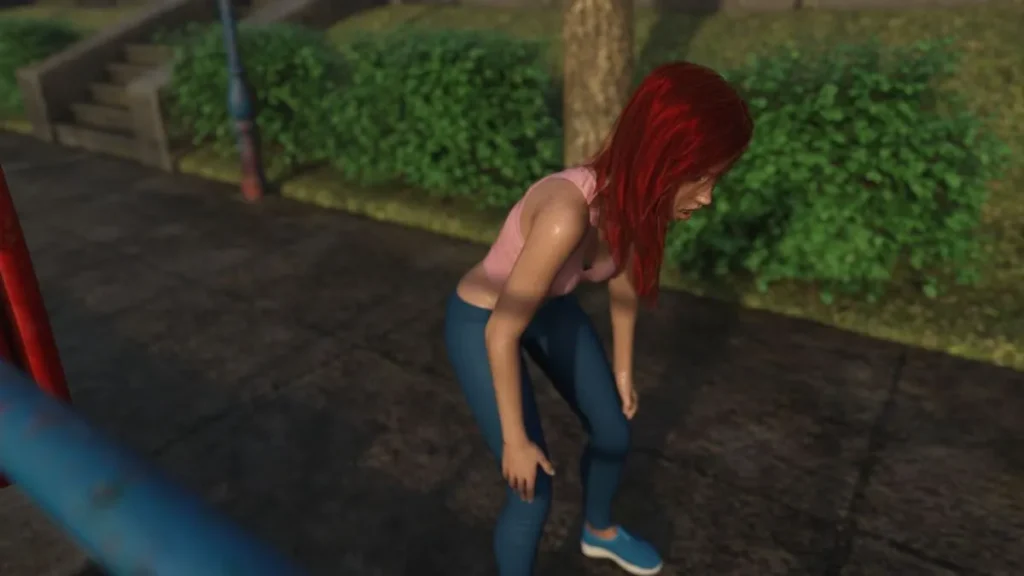
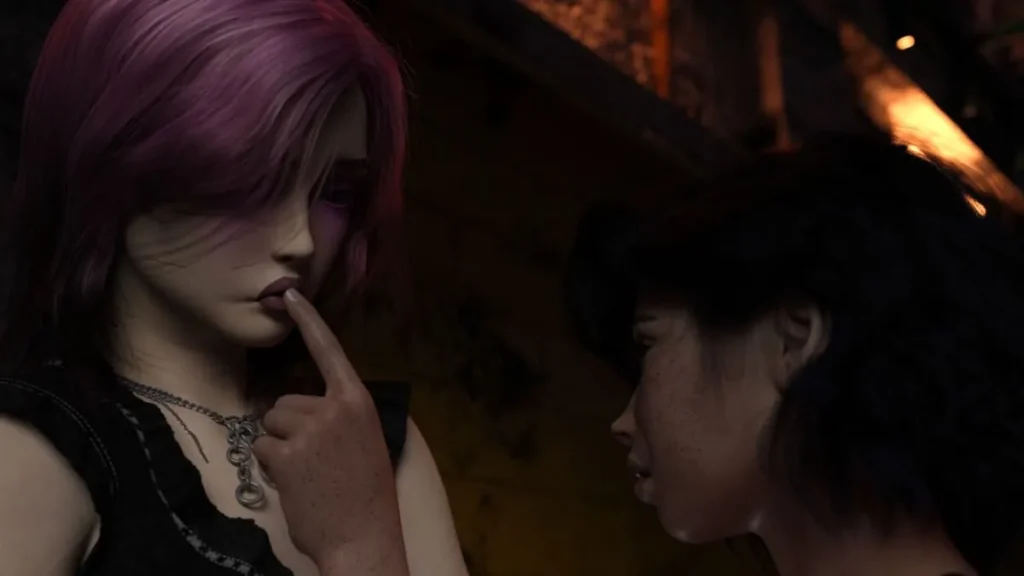
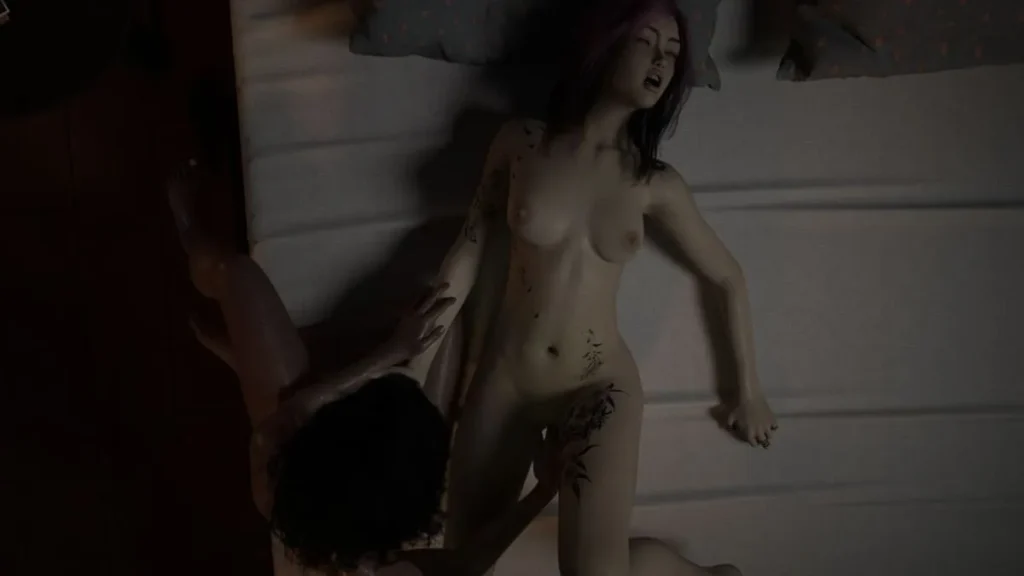
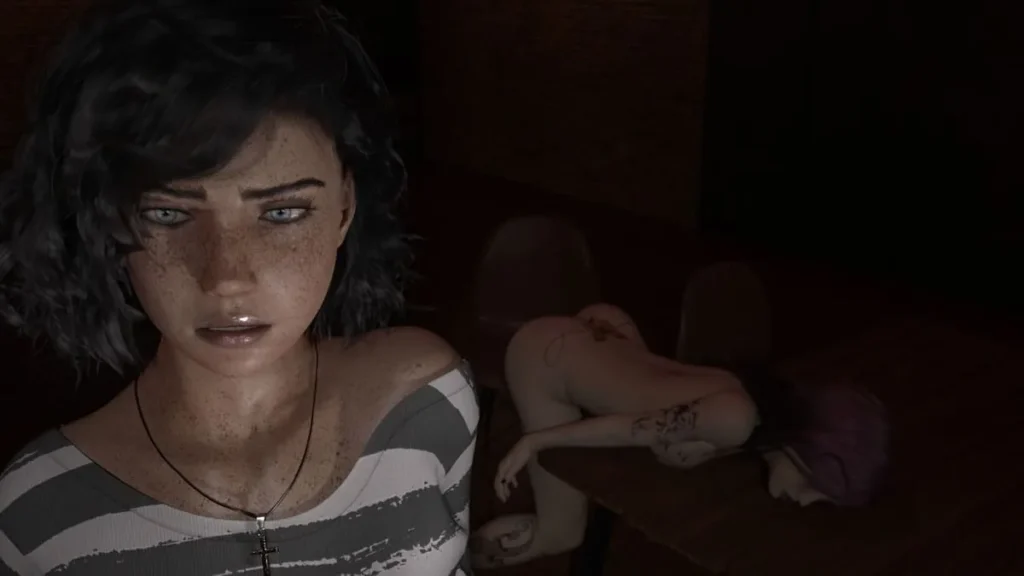

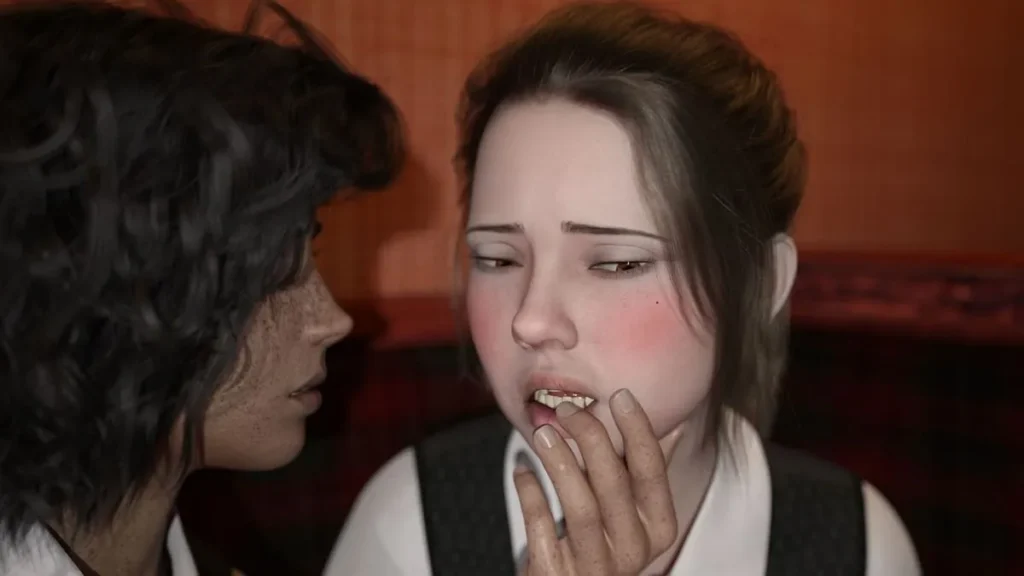
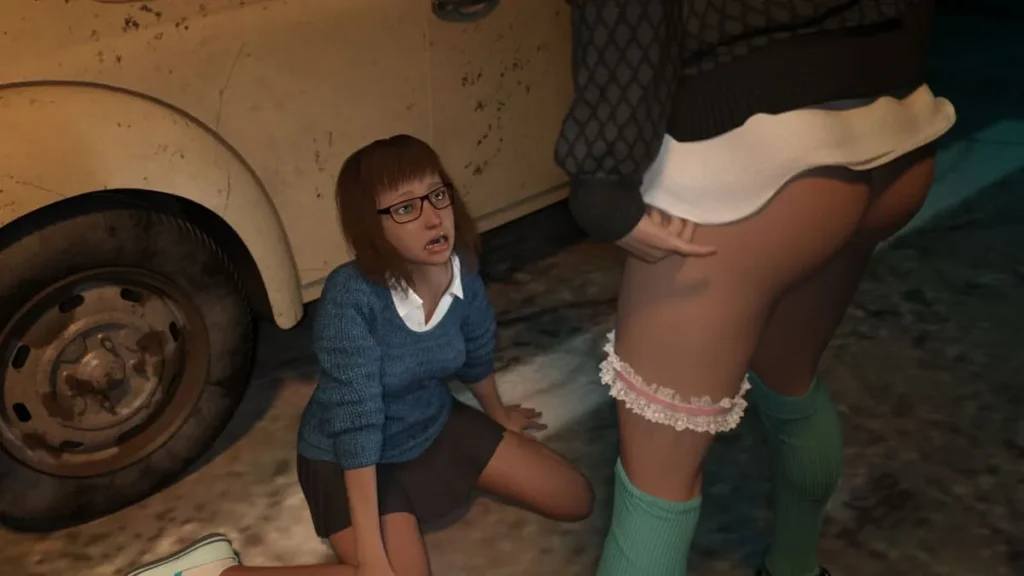
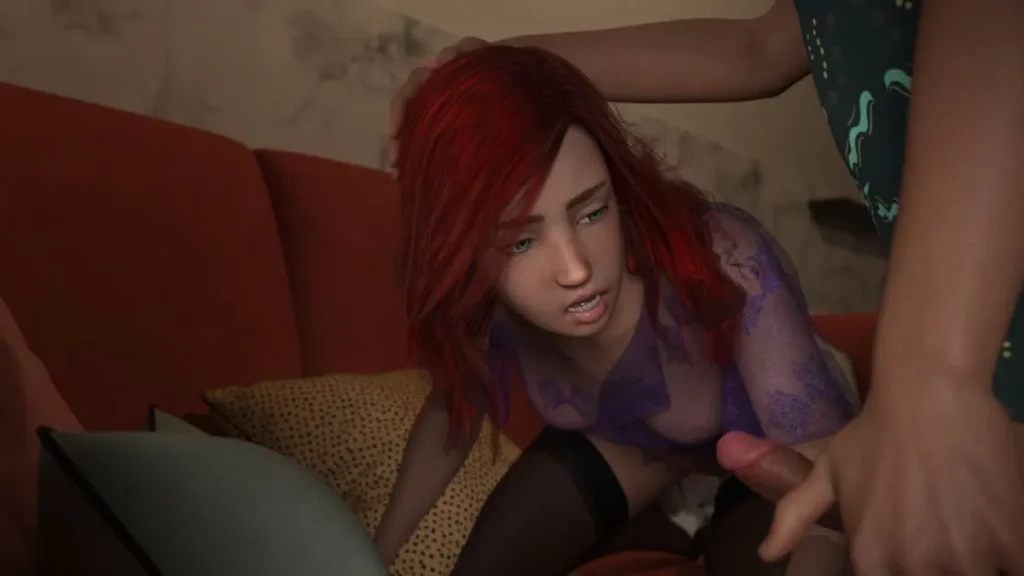
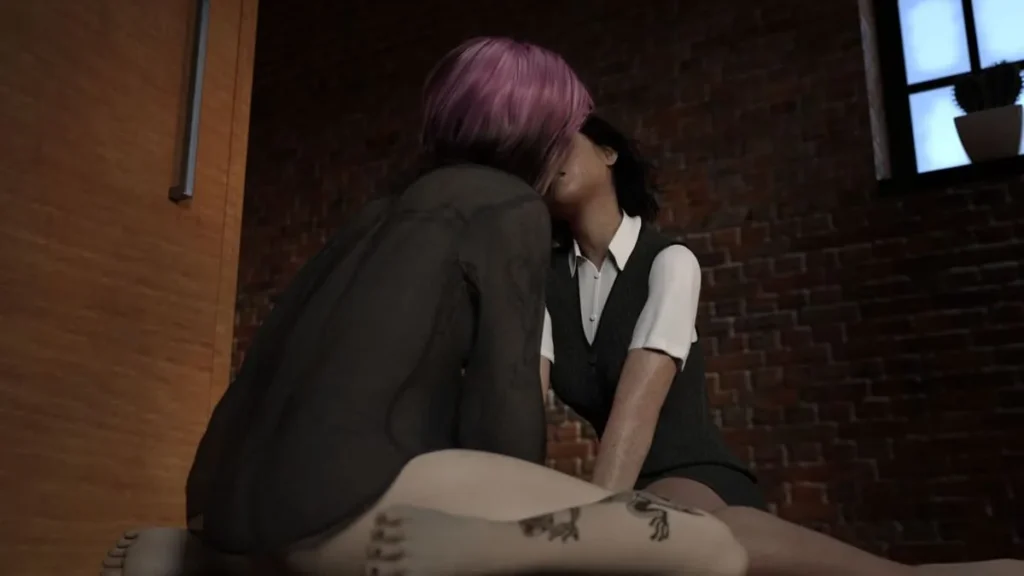
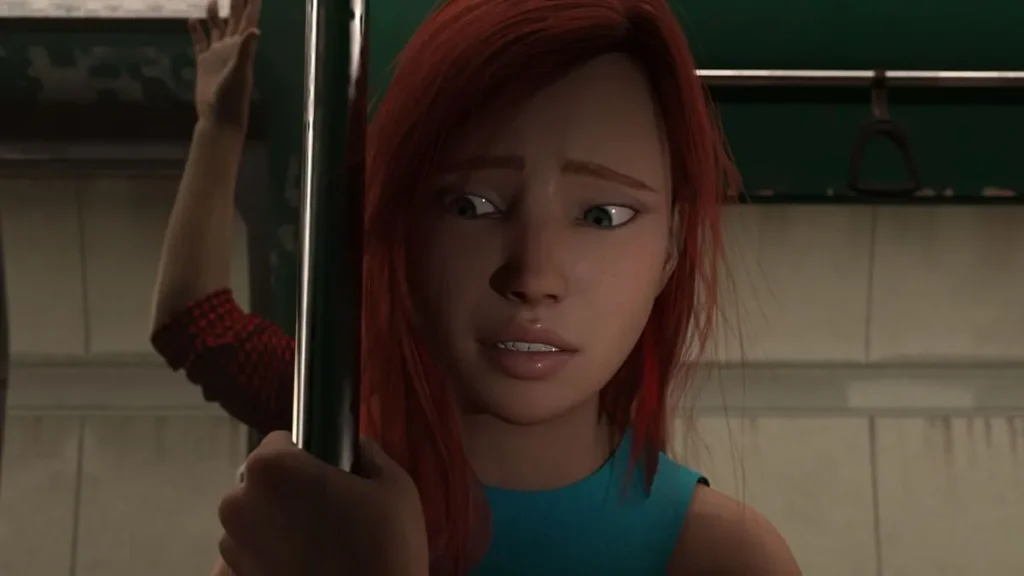
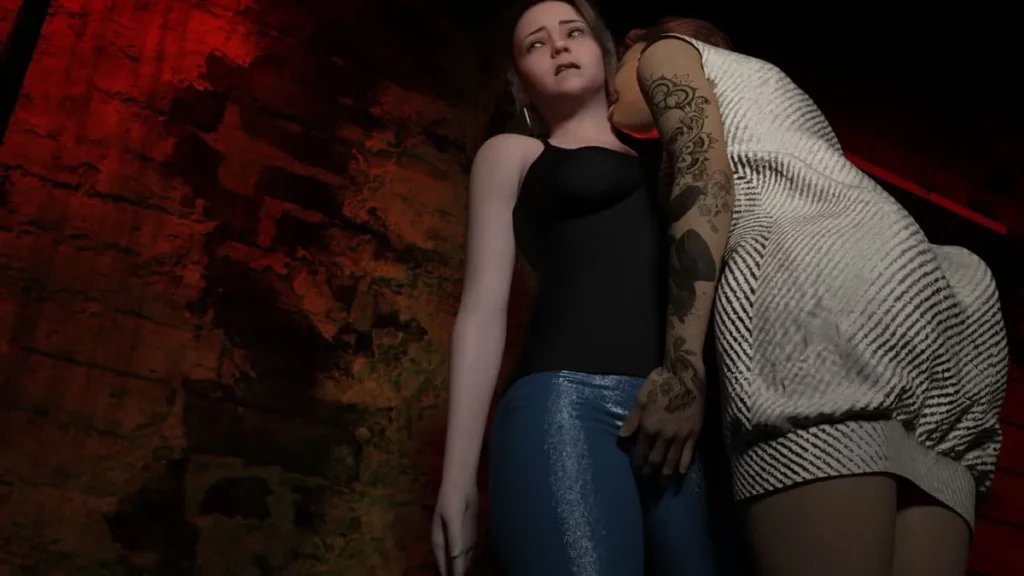
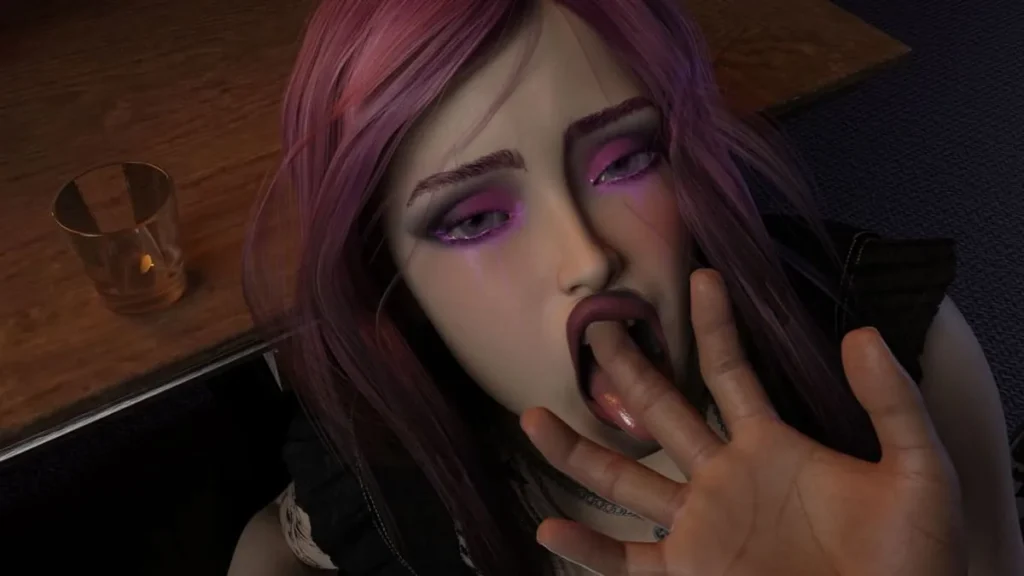
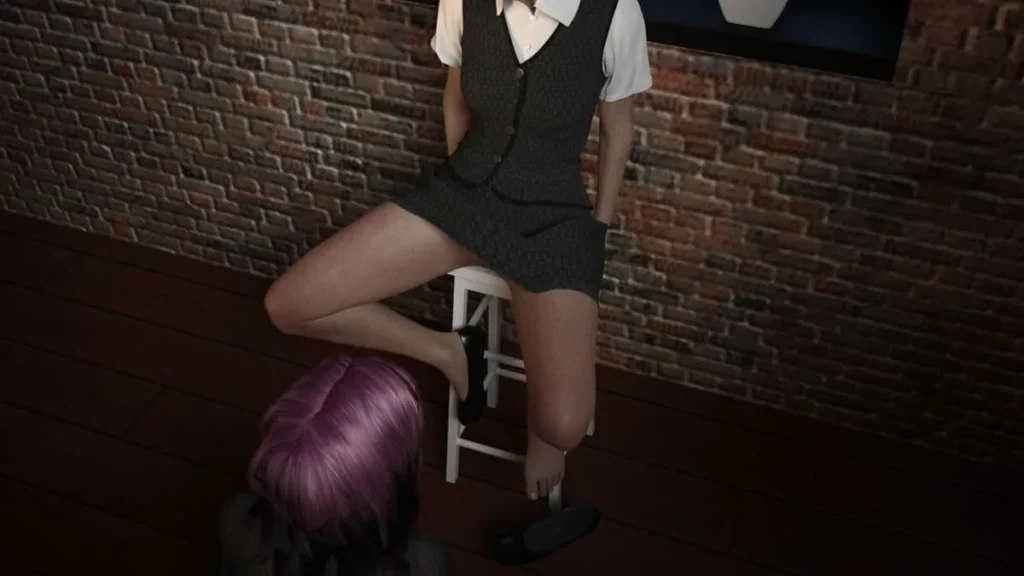
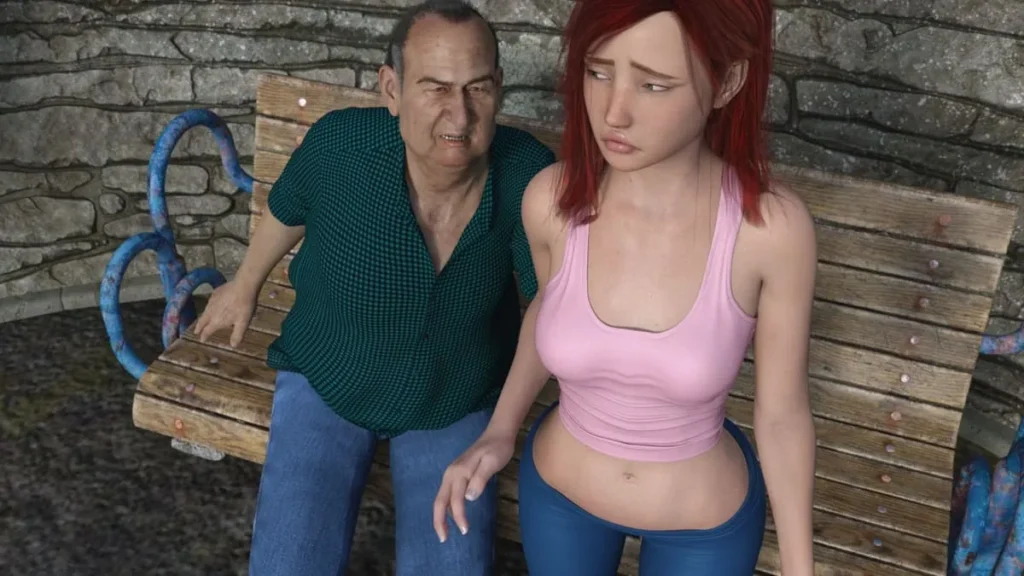
The Theater of Sinners review
Explore the dark narrative, complex characters, and decision-driven gameplay of this mature interactive experience
The Theater of Sinners stands out as a decision-driven visual novel that prioritizes psychological depth and narrative complexity over traditional gameplay mechanics. Developed by JustXThings and currently in version 0.3 Alpha 1, this mature interactive experience immerses players in a morally ambiguous world where choices genuinely matter. The game follows multiple protagonists navigating a secretive, opulent theater where the wealthy and powerful settle scores through elaborate performances. Rather than offering clear moral paths, the game challenges players to make human decisions with surprising and impactful consequences. Whether you’re drawn to psychological horror, complex character development, or unconventional storytelling, understanding what this game offers is essential before diving in.
Understanding the Core Concept and Setting of The Theater of Sinners
Imagine a game that doesn’t just want to scare you, but wants to understand what scares you. A story that peers into the shadows of human nature and asks you to help write the script. That’s the unsettling, magnetic pull of The Theater of Sinners visual novel. This isn’t your typical horror adventure; it’s a meticulously crafted psychological fantasy horror game that trades cheap thrills for profound, lingering dread.
If you’re tired of stories with clear heroes and villains, and you crave a narrative that respects your intelligence and courage to explore darker themes, you’ve come to the right place. Let’s pull back the velvet curtain and step into the Grand Théâtre des Ombres. 😨✨
What Is The Theater of Sinners at Its Heart? 🎭
At its core, The Theater of Sinners is a mature, interactive storytelling experience built on the Ren’Py engine. Forget about quick-time events or skill trees—your power here lies entirely in choice. You inhabit the roles of playwright, director, and silent actor across four interwoven protagonist stories, each a broken soul drawn into a sinister game.
Think of it less as a “game” in the traditional sense and more as an immersive, consequence-driven narrative game. Every decision you make, from a seemingly innocuous line of dialogue to a major moral crossroads, sends ripples through the intertwined fates of the characters. There are no highlighted “good” or “evil” options. Instead, you navigate a murky gray area where every choice is simply human, and every human choice carries weight.
The central hook is the “Theater” itself—a powerful metaphor. Each character’s personal drama, their deepest shames, fears, and hidden desires, becomes a performance. Their sins are the scripts, and their psychological wounds are the stage. You are the unseen force shaping these brutal, intimate plays.
A note from the developers offers a crucial lens: “This project is a character-driven exploration of power dynamics, trauma, and taboo. The narrative is non-linear and shaped entirely by player choice, delving into complex psychological spaces and adult themes, including intense relational dynamics. It is designed for an audience seeking a story without moral hand-holding.”
This statement is your compass. It tells you this journey is for those ready to engage with difficult material where romance is often twisted, comfort is rare, and “winning” might simply mean surviving with a shred of your self intact. 🧠🔗
The Grand Théâtre des Ombres: A Clandestine World 🏛️
The setting is arguably the most important character in this psychological fantasy horror game. The Grand Théâtre des Ombres (The Grand Theater of Shadows) is no ordinary playhouse. It is a secret, lavish arena hidden from the world, where the elite and powerful settle their most bitter disputes not with lawyers or weapons, but with performances.
Here’s how this twisted ecosystem operates:
| Role in the Theater | Description | Your Involvement |
|---|---|---|
| The Patrons | Wealthy, bored arbiters who wager on human suffering. They commission the “plays.” | You witness their influence through the impossible scenarios they design. |
| The Playwrights | Artists tasked with crafting a personalized psychological horror story for a “Sinner.” | Your choices directly shape these narratives, deciding the focus of each act. |
| The Sinners | The four protagonists, each with a dark past and a debt to pay. They are the forced actors. | You guide their reactions, relationships, and descent (or potential resilience). |
| The Performances | The core events. These are psychological ordeals tailored to exploit a Sinner’s deepest wounds. | You navigate these scenes, making choices that determine their emotional and physical outcome. |
This Grand Théâtre des Ombres setting transforms every interaction into high-stakes drama. A casual conversation in a drawing room is an audition. A moment of vulnerability in a private chamber is a scene being critiqued by unseen eyes. The opulence of the theater—its gilded halls and private boxes—constantly contrasts with the raw, ugly human experiences on display, creating a uniquely potent form of atmospheric psychological horror. It’s a world where beauty is a cage, and every character is both prisoner and, in some way, a willing participant. 💎🔐
How the Game Blends Fantasy, Horror, and Psychological Elements 🌌😱
So, how does The Theater of Sinners visual novel fuse these genres into a cohesive, unforgettable experience? It doesn’t just blend them; it braids them together into a single, unsettling cord.
1. Fantasy as a Framework, Not an Escape:
The fantasy element isn’t about elves and magic. It’s in the heightened, almost mythic reality of the Grand Théâtre itself—a place that operates by its own cruel, ritualistic rules. This unreal setting allows the game to explore very real, very human psychological extremes in a focused, symbolic way. It provides the “stage” where anything can happen, making the horrors that unfold feel both inevitable and strangely poetic.
2. Horror from the Inside Out:
Forget jump scares. The terror here is baked into the premise. The horror is:
* Atmospheric: Built through exquisite, unsettling artwork, a haunting soundtrack, and the constant, oppressive knowledge of being watched.
* Psychological: Rooted in real-world fears like loss of autonomy, exposure of shame, manipulation, and the corruption of intimacy.
* Consequential: The true fear often comes after a choice, as you wait to see how your decision will painfully unravel in a later chapter.
3. The Psychological Engine:
This is the fuel for everything. The game’s mature themes—exploring abuse, power exchange, self-destructive tendencies, and complex trauma—are not for shock value. They are the foundational psychology of the characters. Your role is to navigate these treacherous waters. Will you have a character lean into their masochistic tendencies as a form of control? Will you encourage a sadistic character to confront the source of their behavior? The decision-based Ren’Py game mechanics are your tool for this deep psychological excavation.
To see this blend in action, consider the key elements that define its approach:
- Dread Over Shock: The fear comes from anticipation and implication, not sudden monsters.
- Character-Driven Plot: The plot exists to test and reveal the characters, not the other way around.
- Moral Ambiguity: You are never sure if you’re helping or harming, saving or damning.
- Psychological Depth: Motivations are complex, traumas are specific, and “evil” is often just brokenness looking for an outlet.
Ultimately, The Theater of Sinners offers a uniquely demanding form of entertainment. It’s a consequence-driven narrative game that trusts you to handle its darkness. It’s a psychological fantasy horror game that uses its fantastical setting to tell painfully human stories. And as a decision-based Ren’Py game, it places the burden and beauty of the narrative squarely in your hands. You are not just playing a story; you are collaborating in the dissection of souls, one agonizing, beautiful choice at a time. If you’re ready for a story that stays with you long after the final curtain falls, your seat in the Grand Théâtre des Ombres is waiting. 🖋️👁️🗨️
The Theater of Sinners represents a distinctive approach to adult gaming by prioritizing psychological storytelling and meaningful player choice over traditional gameplay mechanics. This decision-driven visual novel challenges players to navigate a morally complex world where their choices genuinely shape character development and story outcomes. With its focus on atmospheric dread, character-driven narrative, and exploration of themes like corruption, redemption, and psychological trauma, the game offers depth beyond its mature content. The non-linear structure, stat-based decision system, and interconnected protagonist stories create a rich, replayable experience that rewards careful attention to dialogue and subtle narrative implications. Whether you’re drawn to psychological horror, complex character studies, or unconventional storytelling, The Theater of Sinners delivers a thought-provoking experience that explores the gray areas between good and evil. If you’re interested in narrative-driven games that prioritize consequence and character development, this title deserves consideration—provided you’re comfortable with its mature themes and explicit content.