Shag the Hag
Play Shag the Hag
Shag the Hag Screenshots

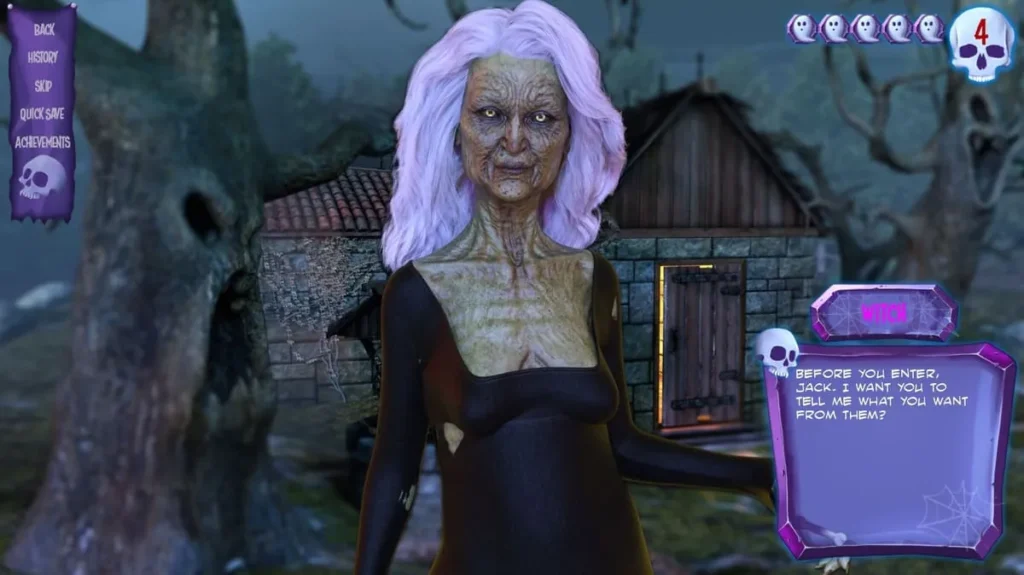

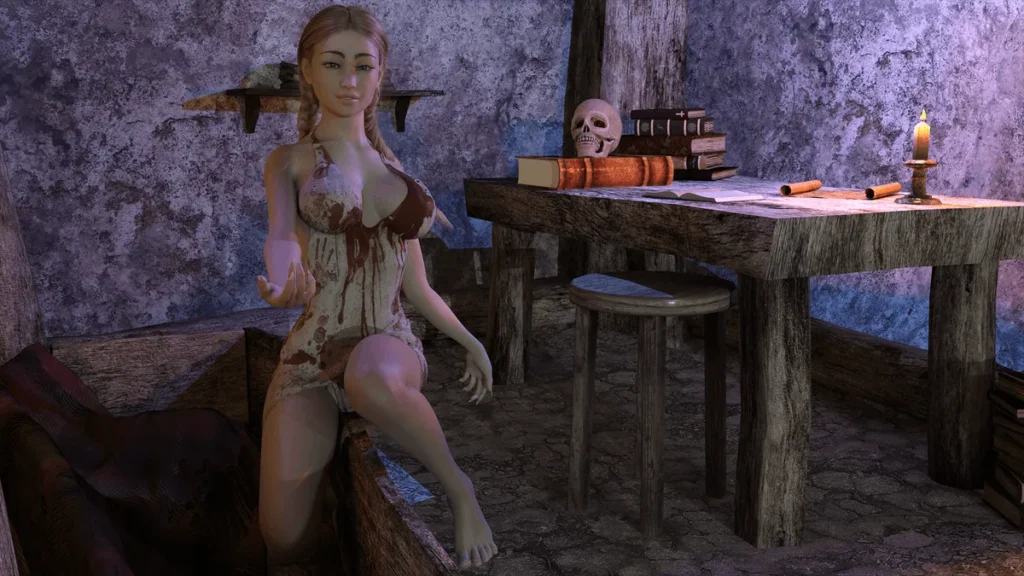

Shag the Hag review
A complete walkthrough, tips, and player insights for Shag the Hag
Shag the Hag is a browser-based interactive romance adventure that blends point-and-click exploration with choice-driven narrative and relationship mechanics; this guide dives into how the game works, strategies to shape your outcomes, and how to unlock its secrets. In this article I share hands-on impressions, step-by-step tips I used during my playthroughs, and practical advice to help you explore every branch and ending. Whether you’re replaying for hidden scenes or playing for the first time, this guide walks you through core systems, decision moments, and replay priorities to get the most from Shag the Hag.
Core Gameplay and Mechanics of Shag the Hag
Ready to get into the thick of it? 🎮 The magic of Shag the Hag isn’t just in its quirky premise, but in how deeply you can influence the story. At its heart, the game is a masterclass in choice-driven gameplay. Every click, every conversation, and every object you examine weaves a unique tale. Forget passive watching; here, you’re the director, scriptwriter, and lead actor all at once. Think you can figure out what makes the Hag tick? Your decisions will be the ultimate test.
This chapter will break down everything you need to know about the Shag the Hag mechanics. We’ll explore how your interactions build (or break) connections, how to navigate its charming world, and the smart strategies that will let you see everything this gem has to offer. Let’s dive in! 💧
How interactions and choices shape the story
Your primary tool in this adventure is the classic point-and-click interactions. You’ll navigate beautifully illustrated scenes by clicking to move and hovering your cursor over objects or characters to reveal interactive hotspots. 🖱️ There’s no complex inventory system to manage; instead, the focus is purely on observation and conversation. Finding and using these environmental triggers is key to unlocking unique dialogue, hilarious visual gags, and even whole new story branches.
The real meat of the experience, however, is in the dialogue trees. When you strike up a conversation, you’ll typically be presented with a set of responses that fall into distinct personality types. Based on my playthroughs, these usually boil down to:
* Charm: Flattering, kind, and often a bit poetic. The safe bet for building goodwill.
* Bold: Direct, confident, and forward. Can lead to exciting breakthroughs or spectacular rejections.
* Sarcastic: Witty, teasing, and playful. A high-risk, high-reward style that can create a unique, fun dynamic.
* Cautious: Reserved, polite, and non-committal. Useful for gathering information without tipping your hand.
The game brilliantly signals the impact of your choices. You won’t see explicit numbers pop up mid-conversation (that would ruin the immersion!), but pay close attention to the Hag’s reactions—a subtle smile, a raised eyebrow, or a change in her posture. The most crucial feedback comes from a subtle sound cue: a gentle, positive chime for a good choice, and a softer, duller tone for a less effective one. 🔊 Train your ear for these!
Let me give you a personal example. Early on, you find a rather sad-looking, wilted plant in her cottage. You can ignore it, comment on it sympathetically (Charm), or joke about its state (Sarcastic). I chose the sarcastic route, quipping that it looked like it had seen a ghost. To my surprise, she let out a genuine cackle and revealed it was haunted by a particularly lazy poltergeist! This unlocked a whole optional scene later where we worked together to “re-ghost” it. This single, seemingly flippant choice opened up a unique side story that heavily boosted our rapport. The lesson? Never underestimate the value of exploring every object and choosing dialogue that matches your intended personality path.
The relationship meter and its effects on outcomes
While hidden during regular play, your progress is quantified by an affection score that powers the entire narrative. Think of it as the engine under the hood. This score is your relationship meter, a dynamic number that shifts with almost every meaningful interaction. It doesn’t just open doors to different endings; it alters dialogue, unlocks special scenes, and changes how the Hag perceives your character throughout the journey.
Understanding the thresholds of this meter is the most powerful piece of knowledge you can have. It’s the ultimate affection score guide. To help you visualize your progress, here’s a breakdown of what each range typically means for your playthrough:
| Meter Range | Label & Outcome | Unlocked Content & Scene Examples |
|---|---|---|
| 0 – 24 | Cold Acquaintance | Leads to short, abrupt endings. Dialogue is formal and guarded. Misses most character development scenes. |
| 25 – 49 | Friendly Visitor | Unlocks basic “neutral” ending paths. You might share a polite cup of tea and hear a few surface-level stories. |
| 50 – 74 | Trusted Confidant | The sweet spot for several rich, fulfilling endings. Gains access to personal stories, flashback scenes, and more vulnerable dialogue options. |
| 75 – 100 | Kindred Spirit | Required for the most intimate and “best” endings. Unlocks exclusive, tender scenes, secret locations, and the full breadth of the Hag’s backstory. |
Remember, this isn’t just about hitting a number at the end. The game checks your score at key narrative junctions. A score of 48 versus 52 when a certain trigger occurs could mean the difference between her sharing a secret or changing the subject. This is why a consistent personality approach usually works better than flipping between Charm and Sarcastic at random.
Exploration, saves, and hidden triggers
A single playthrough of Shag the Hag is relatively concise, usually clocking in at 45-90 minutes depending on how thoroughly you explore. But its beauty is in its branching paths; there are roughly half a dozen major ending variations, with countless micro-variations within them. To see it all, you’ll need a plan. 🔍
This is where a smart save strategy for Shag the Hag becomes your best friend. My golden rule? Save often, and save in slots. Do not overwrite one file. The game is perfect for quick experimentation, and you’ll want to branch out from key moments.
Here’s my actionable advice for your first run:
1. Play Blind & Cautiously: Go in fresh! Pick a dialogue style that feels natural to you and stick with it for this first tour. Soak in the atmosphere, click on everything, and just enjoy the story you create. This gives you a baseline understanding of the Hag’s personality and the game’s flow.
2. Experiment on Replay: Now, go wild. Load an old save and pick the opposite dialogue choices. Be bold where you were cautious, sarcastic where you were charming. This is how you discover the brilliant exploration triggers—those environmental interactions that only become available at certain affection levels or after specific conversations have occurred.
3. Watch for Timed Choices: While there’s no punishing RNG, be aware of a few moments where a choice will time out if you don’t select anything. The game gives you a generous window, but it creates a lovely sense of natural conversation flow.
Common pitfalls? Absolutely. Many players get stuck in a “nice guy/gal” rut, always choosing the Charm option, and miss the fiery, hilarious dynamics of the Bold or Sarcastic paths. Others fail to examine the environment thoroughly and miss those crucial object-based point-and-click interactions that boost your score. The cottage is full of stories; let it whisper them to you.
Must-Save Moments:
Before any major conversation that feels like a “scene.” After discovering a new, intriguing object in the environment. Immediately after receiving a strong positive or negative auditory cue from a dialogue choice.
Your In-Game Branch Discovery Checklist:
– [ ] On a new playthrough, have I chosen a consistent, distinct personality (e.g., all Bold choices)?
– [ ] Before leaving a scene, have I hovered my cursor over every object and corner to find hidden hotspots?
– [ ] Did I create a new save file after any major story revelation or location change?
– [ ] After a playthrough, did I reload a key save to try the exact opposite choice?
– [ ] Did I listen for the positive or negative sound cue after each major dialogue selection?
By mastering these Shag the Hag mechanics—the nuanced choice-driven gameplay, the pivotal relationship meter, and the exploratory point-and-click interactions—you transform from a simple player into a true narrative architect. Now, with this save strategy for Shag the Hag in hand, you’re ready to explore every corner of this story and write your own perfect tale. Happy exploring! ✨
Shag the Hag rewards curiosity, careful listening, and a willingness to experiment—approach your first run with patience, save often, and use tone and visual cues to guide your choices. Replay with clear goals (romance path, hidden ending, or completionist run) and use the save-naming and experimentation tactics outlined above to map branches efficiently. Try different playstyles, consult community tips when stuck, and treat each bad end as a data point that narrows the path to the scene you want. If you enjoyed this guide, save it for your next playthrough and share your discoveries in community threads to help other players uncover more secrets.