Play Returning to Mia
Returning to Mia Screenshots



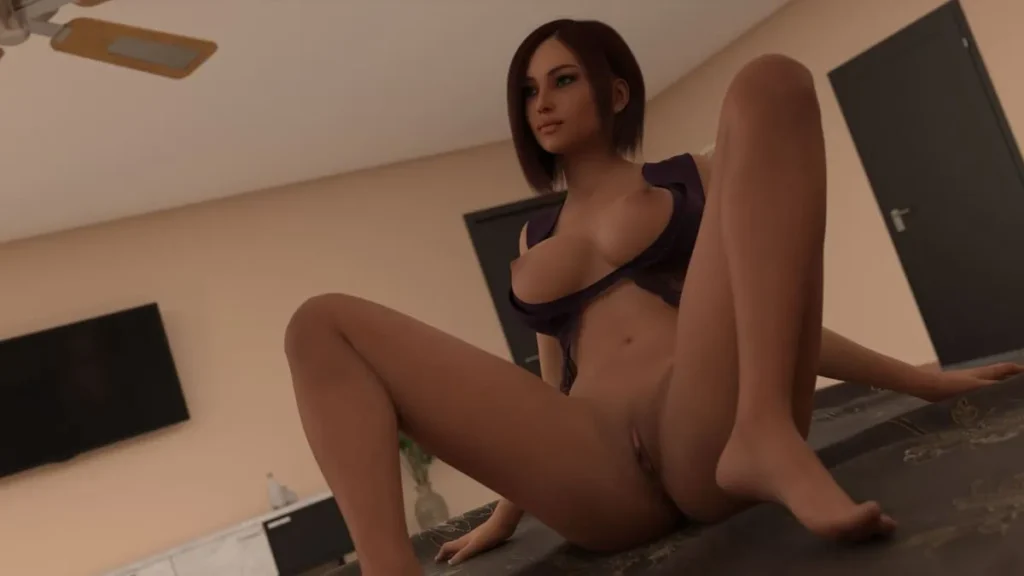
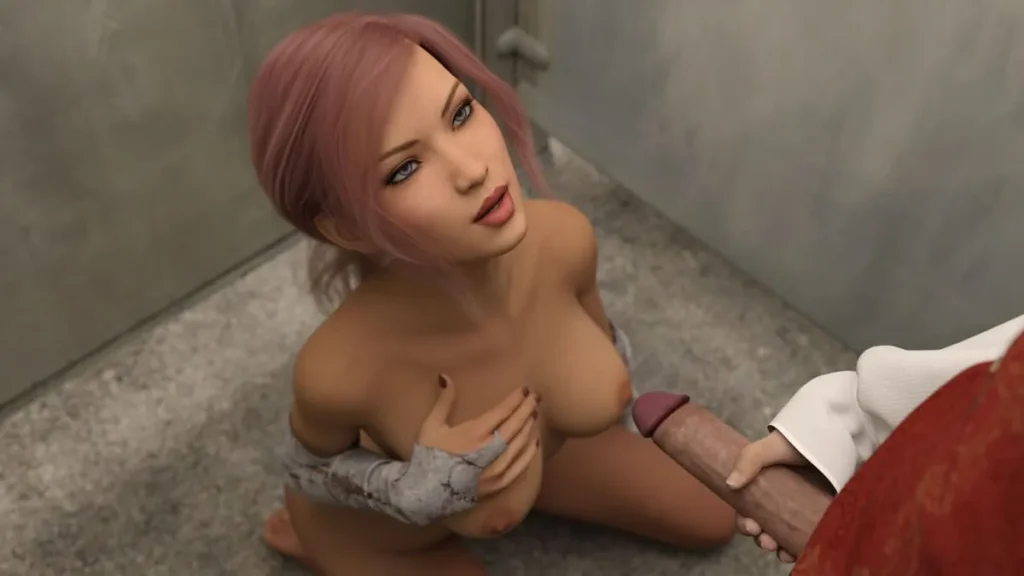

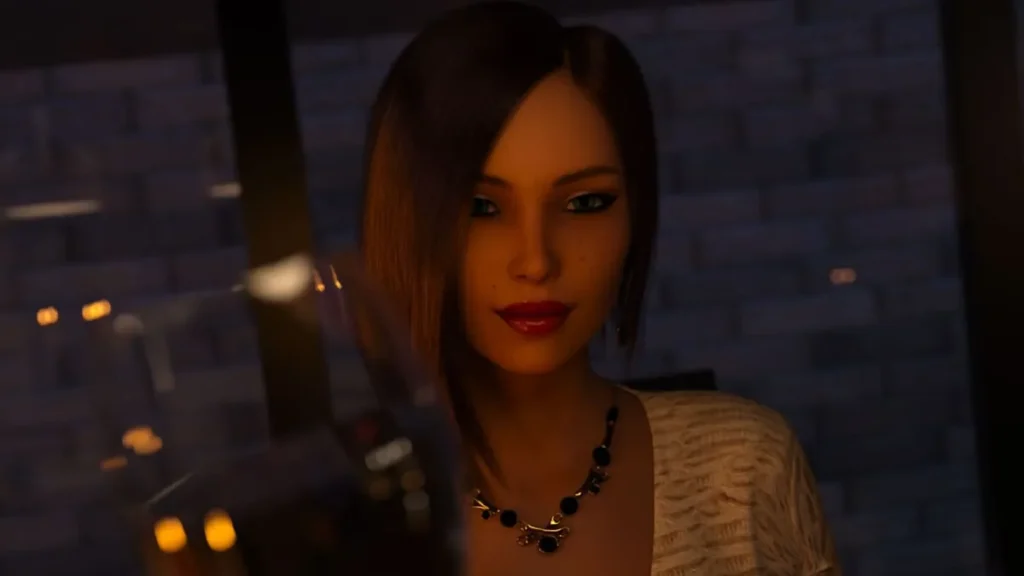


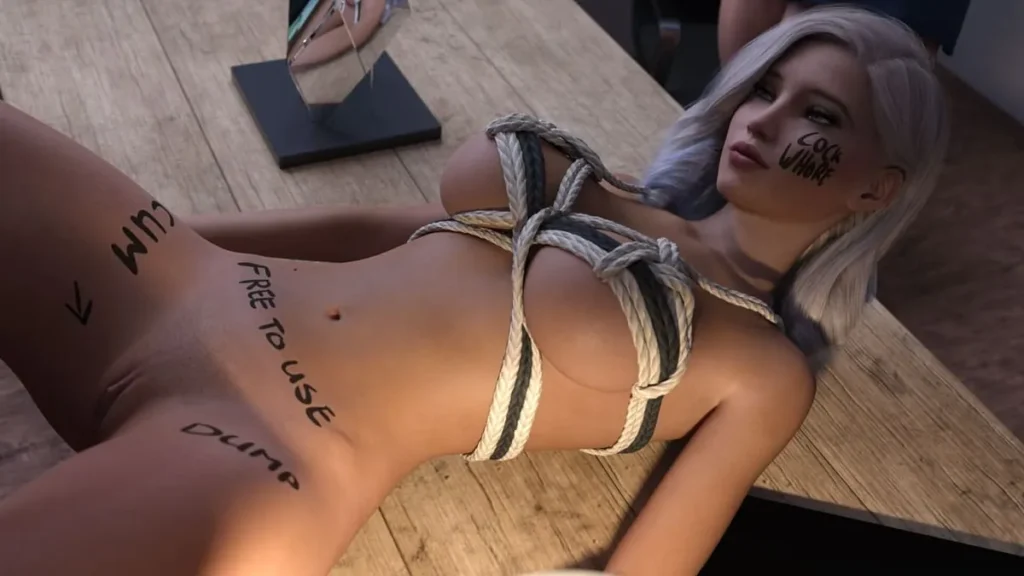
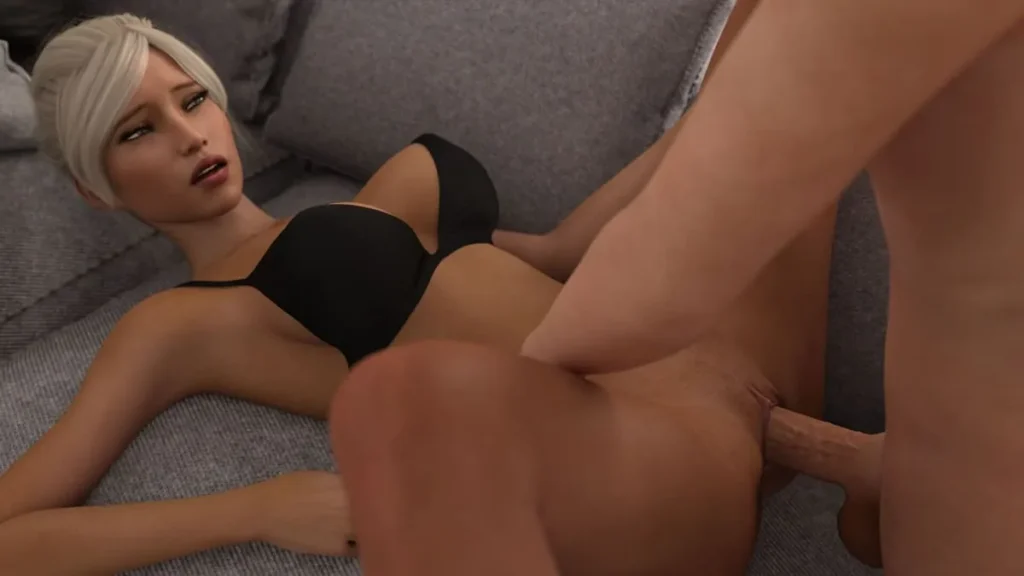

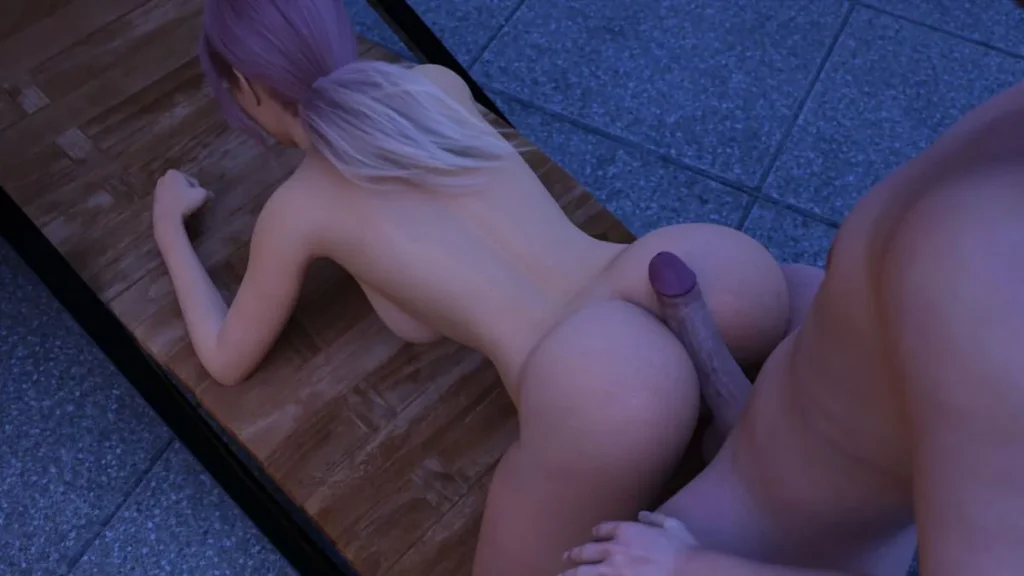
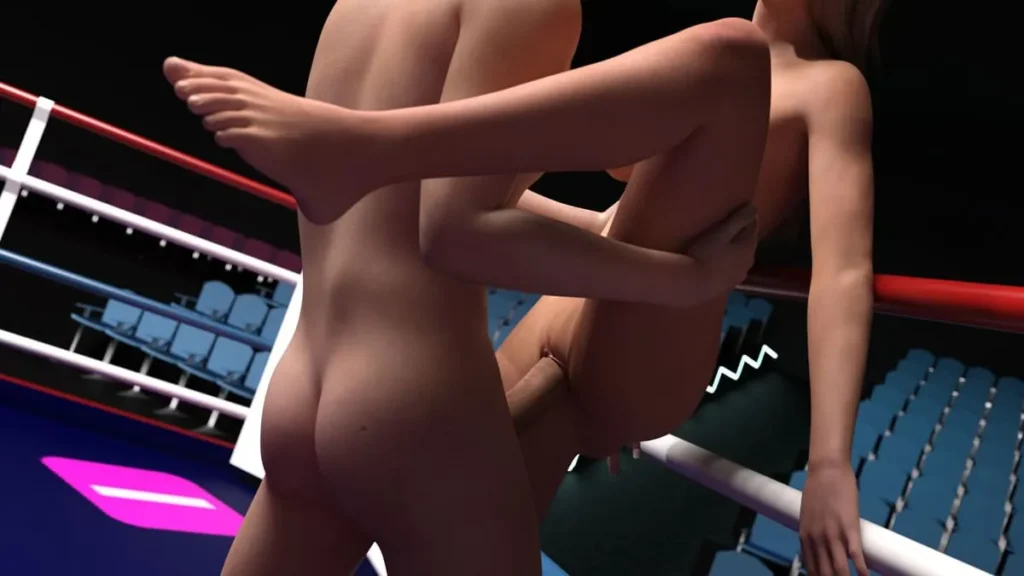
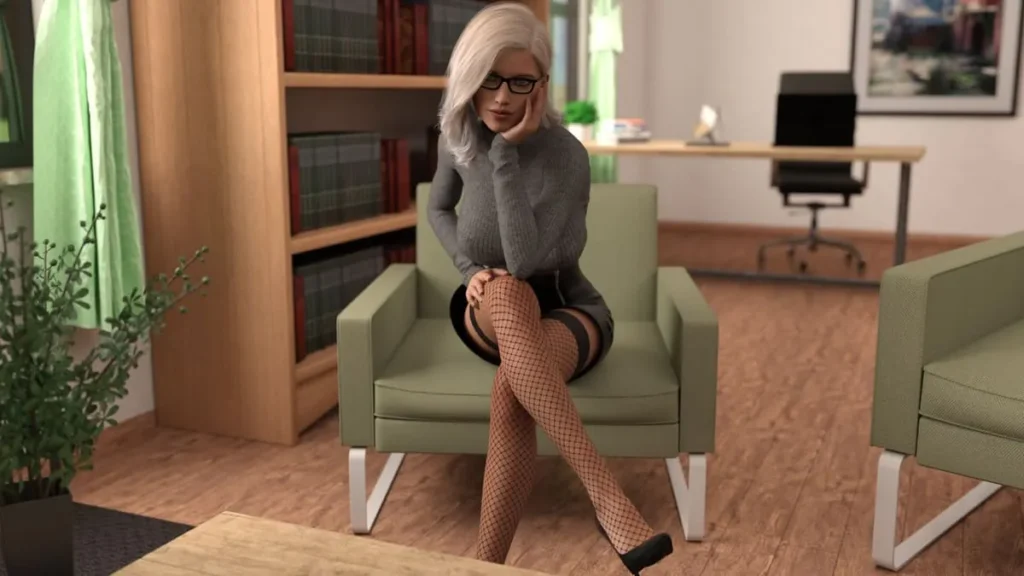
Returning to Mia review
Dive into the thrilling sequel adventure and uncover every secret
Ever wondered what happens when a matured protagonist reunites with a captivating figure from his past? That’s the hook of Returning to Mia, the eagerly awaited sequel set two years after the original game’s events. I still remember my first playthrough—heart-pounding choices that shaped an unforgettable journey. This guide breaks down everything you need: from plot twists to strategic decisions that maximize your experience. Whether you’re a longtime fan or new to this interactive tale, get ready to immerse yourself in Returning to Mia‘s world of reunion, growth, and intense narratives. Let’s explore why this game has players hooked worldwide.
What Is Returning to Mia and Why Play It?
I still remember the thrill I felt scrolling through itch.io, that wonderful digital bazaar for indie gems, when the title “Returning to Mia” caught my eye. 🕵️♂️ There was something instantly compelling about it—a promise of a reunion, of revisiting a story and characters left behind. As someone who loves narrative-driven games, that concept of reconnection hooked me immediately. If you’re wondering what is Returning to Mia, let me tell you, it’s so much more than just a simple visual novel sequel. It’s an emotional homecoming, a chance to see how time changes people, and a masterclass in choice-driven storytelling that had me glued to my screen for hours.
At its heart, the Returning to Mia story is about the beautiful, complicated mess of growing up and finding your way back. This Returning to Mia game picks up two years after the events of the first title. You step back into the shoes of the main character, who has spent that time away, living a different life and (hopefully) maturing. The call to return isn’t just a casual visit; it’s loaded with unresolved history, old feelings, and the daunting task of facing the person you once were and the people you left behind. 🧳✨
The core premise is brilliantly simple yet deeply resonant: you are reunited with Mia and the rest of the cast after a significant period of separation. Everything has changed, yet somehow, everything feels familiar. The game doesn’t just rehash old dynamics; it explores what it means to rebuild relationships with the new people you’ve all become. The narrative maturity in this Returning to Mia sequel is its greatest strength, dealing with themes of responsibility, regret, hope, and the courage it takes to be vulnerable with someone from your past.
The Story Setup Two Years Later
The game doesn’t waste time throwing you into the deep end of its emotional pool. You arrive back in town, and the sense of nostalgia is palpable, tinged with a new layer of anxiety. Is that the same old coffee shop? Who still lives here? What does Mia look like now? The writing expertly builds this atmosphere of tentative re-exploration.
Without giving any spoilers, the key plot elements revolve around navigating this new-old world. You’ll encounter familiar faces who have their own two years of life to account for. Some relationships will be warmer, some cooler, and all of them are subject to the choices you make. The Returning to Mia story is not a passive experience; it’s a dialogue between your past and present self. A brilliant early choice, for example, might involve how you initiate that first contact with Mia. Do you play it cool and send a casual text? 😎 Or do you embrace the nervous energy and show up at her door, not knowing what you’ll say? This single decision isn’t just about logistics; it sets the tone for your entire reunion, influencing Mia’s perception of your intentions and your own character’s confidence.
This choice-driven narrative is the engine of the game. Every conversation, every memory you choose to bring up, and every silence you opt to sit in shapes the path forward. It creates an incredibly personal experience. My playthrough felt uniquely mine, full of small, heartfelt moments and a few cringe-worthy missteps that felt all too human. The game understands that in stories about reconnection, it’s often the small, quiet choices that carry the most weight.
How the Sequel Evolves the Original
Fans of the first game are in for a treat, as this Returning to Mia sequel doesn’t just continue the story—it meaningfully evolves every aspect of it. Think of it as going from a poignant, heartfelt short story to a rich, full-length novel. 📚➡️📖
First, the deeper maturity is evident from the first scene. The characters’ problems are more complex, reflecting young adulthood. Conversations aren’t just about crushes or school drama; they grapple with future plans, personal accountability, and the consequences of time apart. The emotional stakes feel higher and more earned because you have a history with these people.
Second, the expanded interactions are a game-changer. Your circle isn’t limited to just Mia. The supporting cast gets significant screen time, and your relationships with them are just as nuanced and choice-dependent. This creates a living, breathing world where your actions have ripple effects. Helping one friend might close a door with another, making the social puzzle wonderfully challenging.
Finally, the visual enhancements are immediately noticeable. Character sprites are more detailed, expressions are more nuanced (a slight frown or a hesitant smile tells a whole story), and the backgrounds are lush with little details that make the environments feel truly lived-in. The soundtrack also deserves a shout-out, perfectly underscoring the mood of bittersweet reunion and cautious hope.
To give you a clear picture of the evolution, here’s a breakdown:
| Aspect | Original Game | Returning to Mia Sequel |
|---|---|---|
| Timeline | Establishes the initial relationship and core conflict. | Set two years later, exploring growth and reunion. |
| Character Maturity | Focus on teenage/young adult emotions and situations. | Deals with adult themes of regret, responsibility, and rebuilding. |
| Choices & Narrative Impact | Choices affect immediate relationship outcomes. | Choices have deeper, long-term consequences on multiple relationships and the story’s ending. |
| Visuals & Presentation | Charming but simpler art style and UI. | Enhanced, detailed character sprites, more expressive animations, and richer environments. |
Who Should Dive Into This Adventure?
So, who is the perfect player for this experience? If you love getting lost in a good story where your decisions matter, then you absolutely need to play Returning to Mia. 🙌
This Returning to Mia game is a perfect match for:
* Fans of Visual Novels & Story-Heavy Games: If you enjoy titles where narrative is king and your engagement directly shapes the world, this is a top-tier example.
* Players Seeking Mature Themes: It handles relationships and personal growth with a subtlety and respect rarely seen, offering a satisfying, emotionally intelligent experience.
* Anyone Who Appreciates a Good “Second Chance” Story: The core theme of reunion is universally appealing, making it easy to invest in the characters’ journeys.
My personal opinion on why it’s so addictive? It masterfully blends emotional depth with engaging mechanics. You’re not just clicking through text; you’re actively building—or perhaps repairing—a world. The desire to see just one more conversation, to unlock a hidden piece of backstory, or to achieve a better understanding with a character is a powerful pull. It’s the gaming equivalent of a page-turner.
For first-time players, my biggest tip is this: role-play authentically. Don’t try to game the system for a “perfect” outcome on your first try. Choose what feels right for the character you imagine you are, and embrace the consequences. The most powerful moments in my playthrough came from my own genuine (and sometimes flawed) reactions to the situations presented.
If you’re ready to start this adventure, getting the game is straightforward. The best place to find it is on Returning to Mia itch.io, the premier platform for independent creators. Here’s how to get going:
- Head to itch.io and search for “Returning to Mia” in the storefront.
- Navigate to the game’s page, where you can read more details, check out screenshots, and see developer notes.
- Choose your purchase option. The developer often has a “name-your-price” model, allowing you to support their work directly.
- Complete the simple Returning to Mia download process. The page will provide clear instructions for your operating system (Windows, Mac, or Linux).
- Install, launch, and immerse yourself! No complicated DRM or launchers—just you and the story.
In short, Returning to Mia is a standout sequel that honors its origins while confidently forging its own path. It’s a thoughtful, beautifully crafted experience about the passage of time and the courage it takes to bridge it. Whether you’re a returning fan or a newcomer curious about the hype, this is an adventure that promises to leave a lasting impression. 🎮❤️
There you have it—your complete roadmap to Returning to Mia, from gripping story reunion to mastering every choice and uncovering hidden gems. My own journeys through this sequel reminded me why interactive tales like this captivate us: they let us live alternate lives with real emotional stakes. Whether chasing the deepest connections or exploring wild paths, this game delivers thrills at every turn. Ready to reunite? Head to itch.io, download now, and share your favorite moments in the comments. What’s your first big decision going to be? Dive in and find out.