Peeping Dorm Manager Screenshots

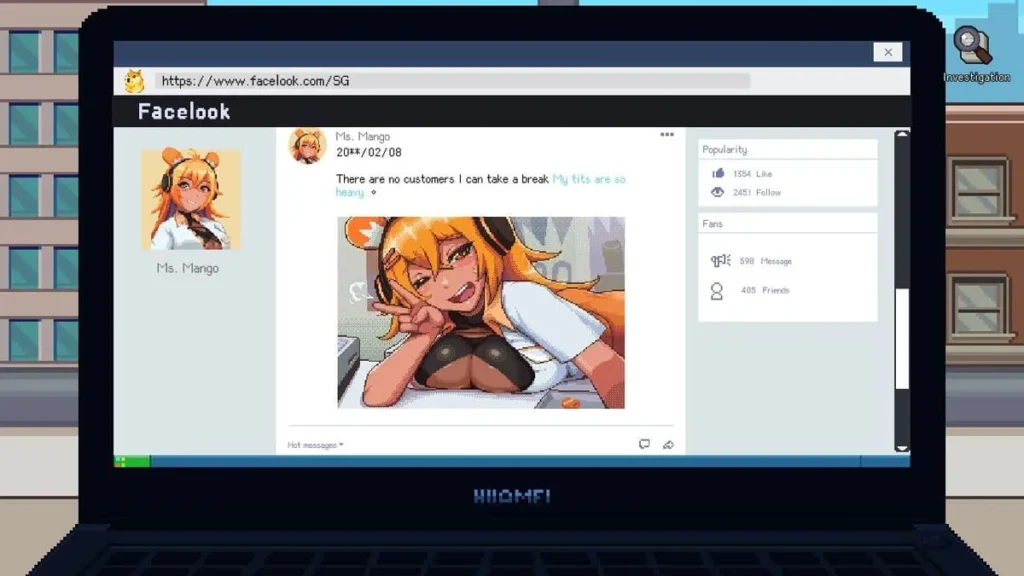
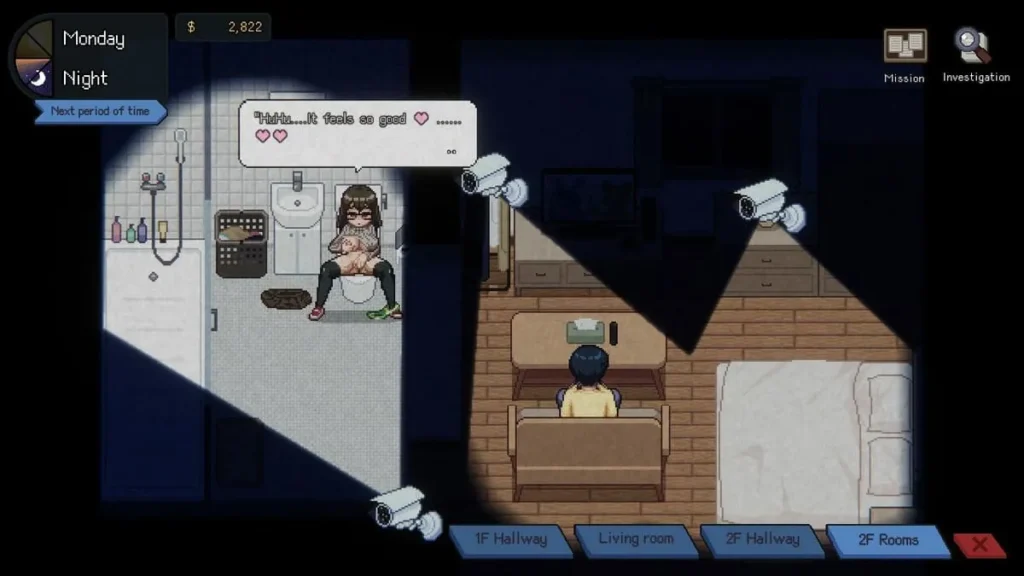
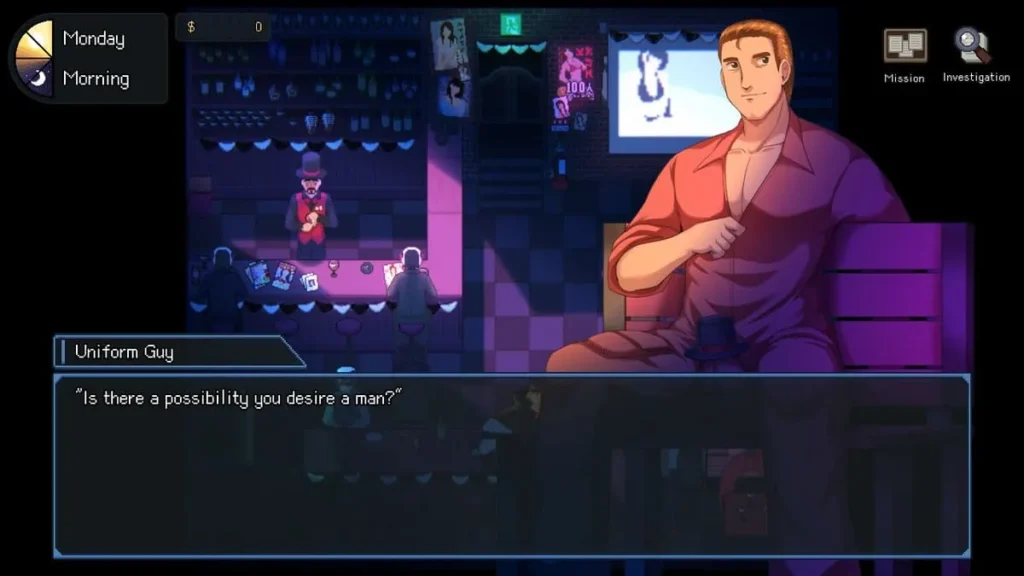
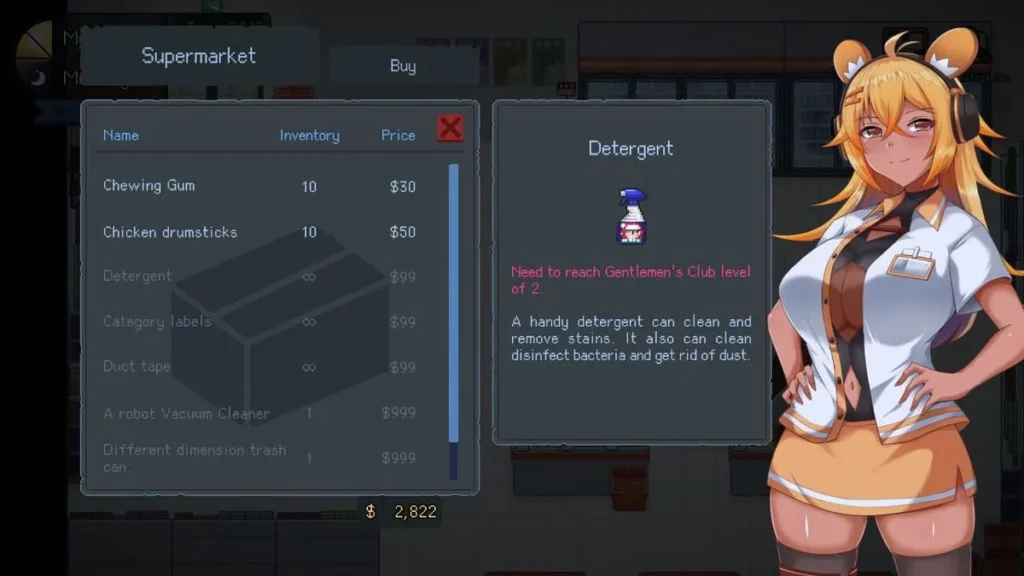


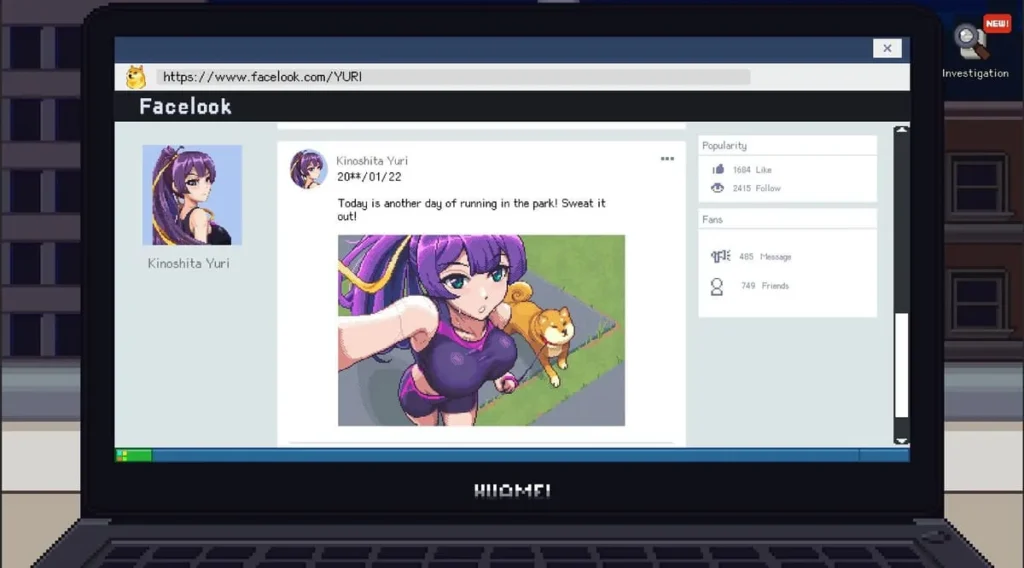
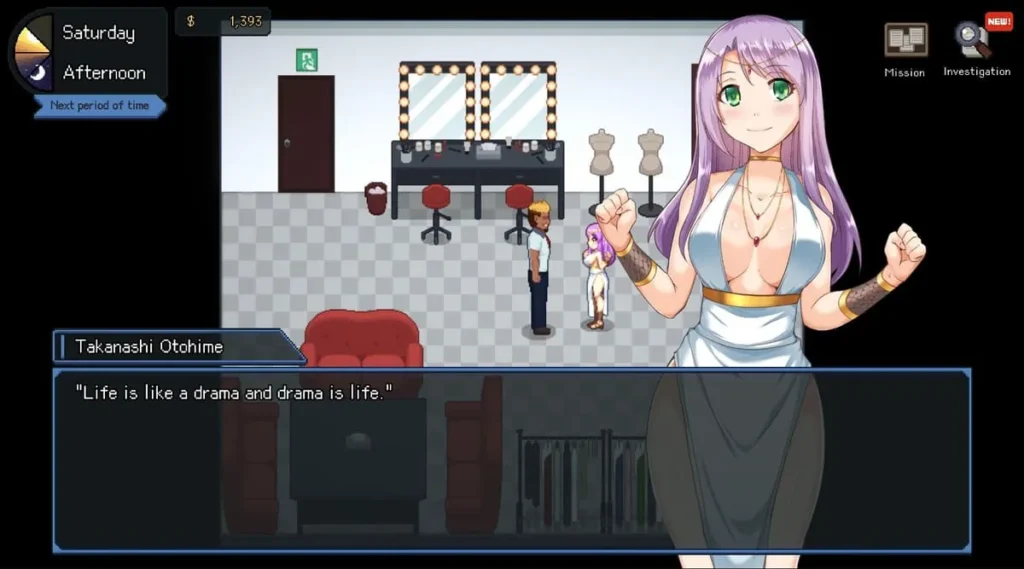
Peeping Dorm Manager review
A comprehensive guide to understanding the simulation gameplay, features, and player experience
Peeping Dorm Manager is a unique simulation game that places players in the role of a dormitory manager overseeing daily operations and resident interactions. Unlike traditional management games, this title offers a distinctive approach to the landlord simulator genre with its own narrative style and gameplay mechanics. Players navigate complex relationships with dorm residents, manage facilities, and make decisions that shape the dormitory experience. Whether you’re interested in simulation games, management titles, or narrative-driven experiences, understanding what Peeping Dorm Manager offers can help you decide if it aligns with your gaming preferences.
Core Gameplay Mechanics & Management Systems
Welcome to the heart of Peeping Dorm Manager! 🏠 If you’ve ever wondered what it’s like to be the one in charge of a bustling student residence, with all its chaos, charm, and constant demands, you’re in the right place. This isn’t just about collecting rent and fixing leaks (though there’s plenty of that). It’s about people, stories, and the delicate art of balancing a budget with human happiness. I remember my first in-game week, thinking I could just be a strict rule-enforcer. Let’s just say a resident protest over my “no snacks after 10 PM” policy taught me the importance of nuance. The dorm management gameplay here is deep, rewarding, and wonderfully unpredictable.
This chapter will be your blueprint. We’re diving into the core systems that make this dormitory simulation tick, from the minute-to-minute tasks to the long-term relationships you’ll build. By the end, you’ll have a solid grasp of how to manage the dorm in-game and create a living space that’s uniquely yours.
How the Dorm Management System Works
At its core, Peeping Dorm Manager is a vibrant ecosystem you must nurture. The dorm management gameplay loop is a satisfying cycle of observation, action, and reaction. You’re not just a passive overseer; you’re an active participant in the dorm’s life. The game brilliantly merges logistical strategy with interpersonal storytelling.
The foundation is your dormitory simulation features dashboard. Think of it as your mission control. From here, you monitor key metrics: the dorm’s overall Hygiene, Comfort, Security, and Community Spirit. Each resident contributes to and is affected by these stats. A broken communal washing machine plummets Hygiene, making residents grumpy. A well-furnished common room with games boosts Comfort and Community Spirit. Your primary resources are Funds, Maintenance Points, and your own precious Time. Deciding whether to spend limited Funds on a fancy new sofa or on urgently repairing the boiler is the kind of classic trade-off that defines your management style.
But what truly sets this game apart is how these systems talk to each other. You can’t just max out all the stats and call it a day. Your player choice and consequences are directly woven into this fabric. Prioritizing Security by installing cameras might keep vandalism down, but it could also damage Community Spirit if residents feel you don’t trust them. I learned this the hard way when my top student, Leo, confronted me about the “oppressive surveillance state” I’d created in the hallway. The game constantly presents these interesting dilemmas, ensuring your daily operations management is never just a boring checklist.
Progression is tied to your dorm’s reputation and your relationships. As you improve the living conditions and successfully solve resident issues, your Dorm Rank increases. Higher ranks unlock new facility upgrades, decorative items, and even attract new types of residents with their own storylines. Achievements and in-game accolades reward specific playstyles, whether you’re a benevolent caretaker or a shrewd, efficiency-focused manager. This loop of manage-upgrade-expand is incredibly addictive, as you see your dilapidated building transform into a thriving home based on your decisions.
Daily Operations and Player Responsibilities
Your in-game day starts with the morning report. 📊 This is where you get a snapshot of overnight events, current resource levels, and any pressing issues. A typical day is a delightful juggling act of scheduled tasks and unexpected emergencies. The key to mastering daily operations management is understanding that your time is the most finite resource. You can’t do everything, so you must prioritize.
Let me walk you through a classic “Day in the Life” to show how these mechanics intertwine:
8:00 AM: You check the board. Hygiene is low because the trash compactor is broken (again). Funds are tight, but you have enough Maintenance Points for a quick fix. Do you spend your points here, or save them for a planned lounge upgrade later?
10:00 AM: Resident Maya knocks on your office door. She’s stressed about exams and her noisy neighbor. This is a classic resident interaction mechanics moment. You can offer to mediate a conversation (Time-consuming but builds Trust), issue a generic noise warning (Fast but impersonal), or even suggest Maya use the newly soundproofed study rooms you invested in last week (Shows your planning pays off).
1:00 PM: A random event triggers! A pipe has burst in the west wing. This is an emergency that will rapidly decrease Hygiene and Comfort if ignored. You must immediately allocate Funds and Time to call a plumber, putting other plans on hold.
4:00 PM: Scheduled task: Review rental applications. Two new potential residents are available. One is quiet and pays premium rent but has a trait that lowers Community Spirit. The other is sociable and boosts morale but often pays rent late. Your choice here directly shapes your dorm’s future social and financial dynamics.
7:00 PM: You make your rounds. Visiting the common areas allows you to passively observe residents, overhear conversations for story hints, and manually spot minor issues like a flickering lightbulb before they become complaints.
This fluid mix of planned and random tasks creates a dynamic and believable management experience. The dormitory simulation features shine in these small moments. You’re not just managing bars on a screen; you’re managing a living, breathing community. The game’s clock keeps you on your toes, and learning to triage problems efficiently—knowing when to spend resources now versus later—is the true path to becoming a master dorm manager.
Resident Interaction and Relationship Building
This is where Peeping Dorm Manager truly separates itself from cold, spreadsheet-like simulators. Every resident is a unique character with a personality, a backstory, preferences, and a dynamic trust meter specifically for you. The relationship building system is the soul of the game. 🫂
Interactions happen in multiple ways: scheduled meetings in your office, impromptu conversations during your rounds, or through event chains that unfold over several days. When you talk to a resident, you’re often presented with dialogue choices. These aren’t just flavor text; they are the primary engine for player choice and consequences. Do you give stern, by-the-book advice to a resident throwing a party, or do you look the other way this time in exchange for a future favor? Each decision nudges their opinion of you and can unlock or lock away entire story branches.
The genius of the resident interaction mechanics is the “Memory” system. Residents remember your major decisions and how you’ve treated them and their friends. Help out Sam with his financial aid paperwork, and his roommate might start greeting you more warmly. Evict a resident for constant rule-breaking, and you might see a temporary dip in the overall Community Spirit as fear spreads. I once made a deal with a tech-savvy resident to overlook minor router tampering if he helped improve the dorm’s Wi-Fi. This not only solved a persistent Comfort issue but also made him a loyal ally who later gave me crucial info during a storyline crisis.
Building strong relationships has tangible benefits. A resident who trusts you is more likely to pay rent on time, report problems early, help calm disputes, and even assist in minor maintenance. Some special dorm upgrades or story events are only accessible if you have a high enough relationship level with certain characters. It’s a beautiful feedback loop: good management improves living conditions, which makes residents happier, which makes them easier to manage and more helpful, allowing you to create an even better dorm.
The following table illustrates how different managerial approaches to common situations can ripple through your dorm ecosystem, showcasing the game’s deep player choice and consequences.
| Management Approach | Immediate Action | Short-Term Consequence | Long-Term Ripple Effect |
|---|---|---|---|
| Authoritarian (Strict Rules) | Immediately fine a resident for a noisy party, enforcing quiet hours strictly. | Peace is restored. Resident’s trust in you decreases. Dorm Security stat increases slightly. | Overall Compliance rises, but Community Spirit may stagnate. Residents become less likely to share personal problems, potentially missing early warnings for bigger issues. |
| Communal (Compromise & Talk) | Meet with the party host and complaining neighbor. Broker a deal for designated “social hours.” | Resolves conflict without penalty. Trust increases with both residents. Takes more of your in-game Time. | Boosts Community Spirit. Unlocks potential for resident-organized events that can boost morale. May lead to more minor disputes needing mediation. |
| Pragmatic (Resource-Focused) | Ignore the minor noise if the party-throwing resident is your top rent payer or provides a useful service (e.g., fixes appliances). | Saves Time and avoids conflict. Trust decreases with the annoyed neighbor. | Protects a reliable income source or free maintenance. Risks creating factions in the dorm where some feel favored over others. |
| Investive (Facility Solution) | Spend dorm Funds to soundproof a party room or create a designated event space away from bedrooms. | Large upfront resource cost. Solves the root cause of the problem for everyone. | Permanently increases Comfort stat. Becomes a major selling point for attracting new residents. Demonstrates long-term planning, boosting your manager reputation. |
Mastering the dorm management gameplay of Peeping Dorm Manager is ultimately about finding your own balance. Will you run a tight ship with impeccable facilities but distant tenants? Or a vibrant, slightly chaotic home where everyone feels heard, even if the trash sometimes overflows? The game doesn’t judge; it simply reacts. Your unique blend of logistical skill and interpersonal finesse will write a one-of-a-kind story for your dorm, making every playthrough a personal testament to how to manage the dorm in-game. Now, armed with this knowledge of its core mechanics and systems, you’re ready to open those doors and start your own legacy. Good luck, Manager! 🔑
Peeping Dorm Manager offers a distinctive take on the management simulation genre by combining dormitory operations with meaningful resident interactions and narrative-driven gameplay. The game’s core appeal lies in its unique approach to player agency, where decisions about managing the dorm directly influence character relationships and story outcomes. Whether you’re drawn to simulation mechanics, character-driven narratives, or games that reward experimentation with different playstyles, Peeping Dorm Manager provides a compelling experience that stands apart from traditional landlord simulators. For players seeking a game that blends management strategy with personal storytelling, this title delivers an engaging experience worth exploring.