Demons of the Hearth
Play Demons of the Hearth
Demons of the Hearth Screenshots
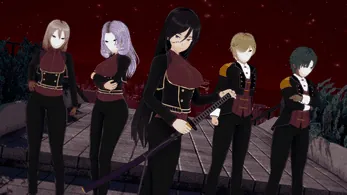



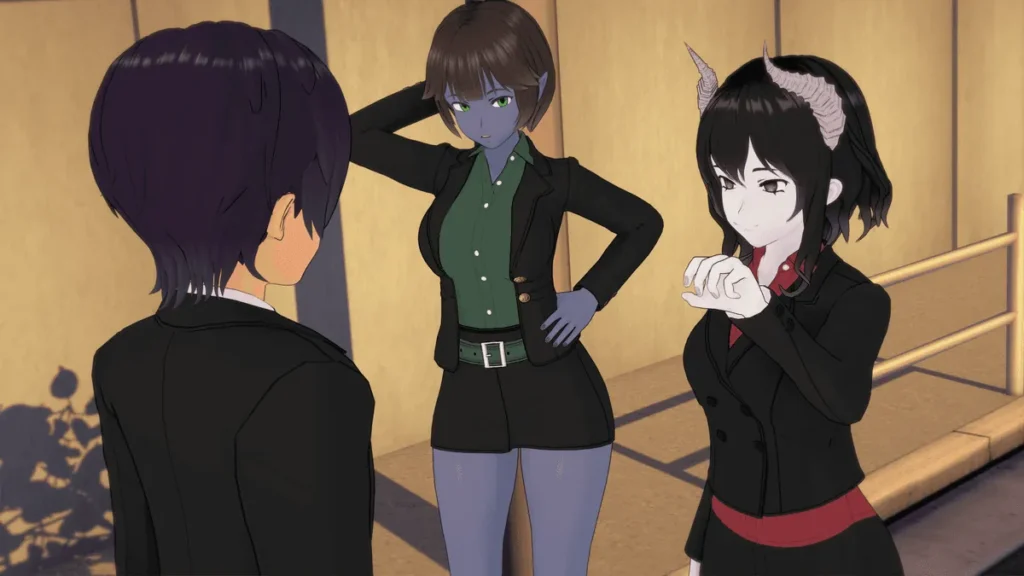
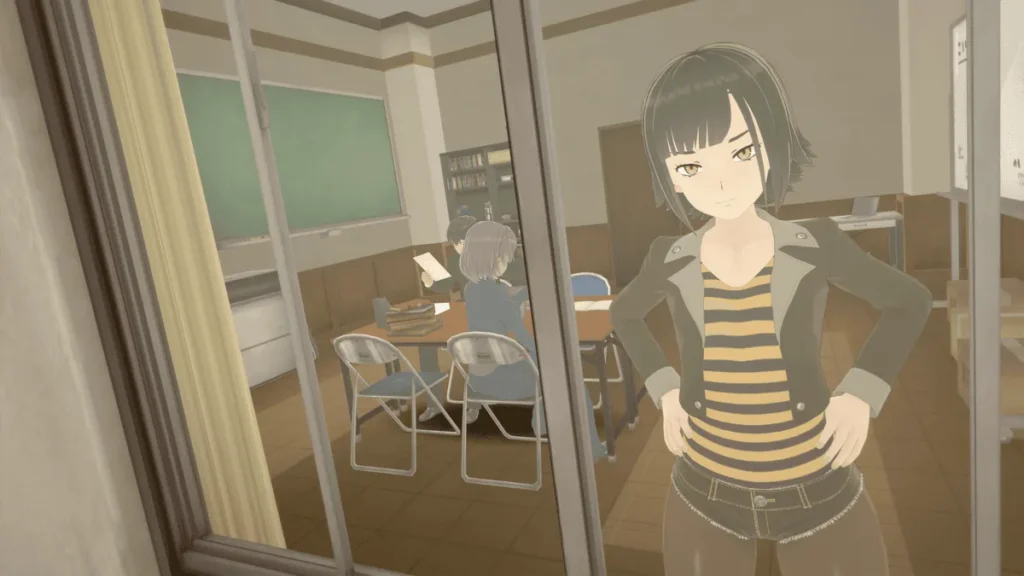





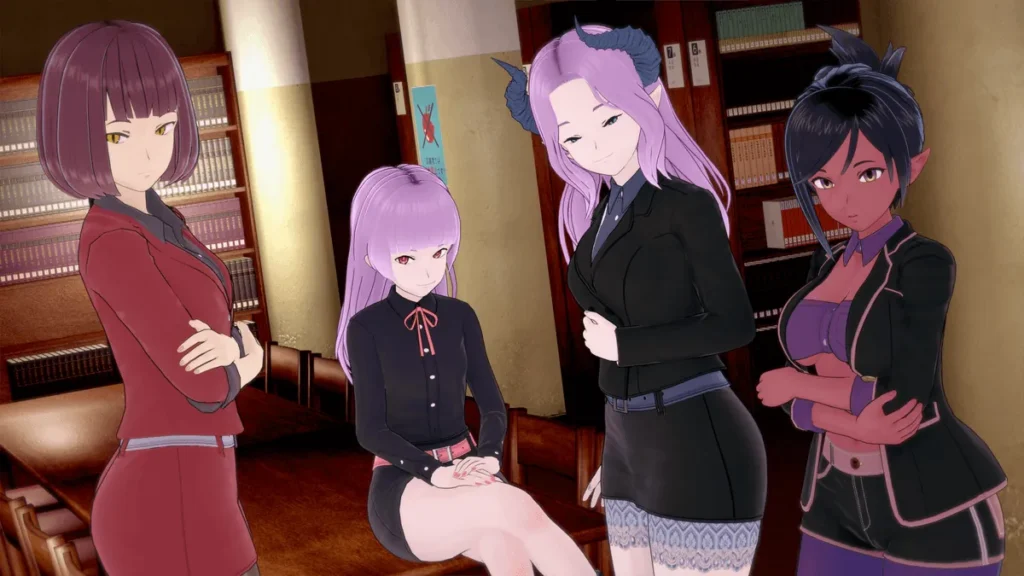
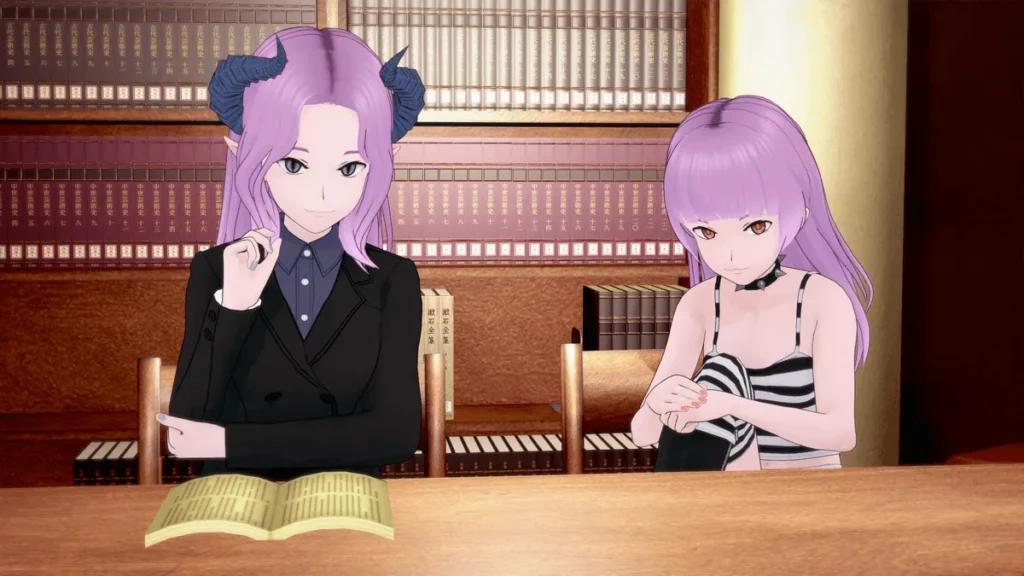
Demons of the Hearth review
A player-focused walkthrough and insider look at Demons of the Hearth
Demons of the Hearth is an adult-oriented visual novel available on itch.io that blends character-driven storytelling with choice-based gameplay, sandbox elements, and branching romance paths — and this guide digs into every part of the experience. In this article I’ll explain core mechanics, introduce key characters, walk through progression strategies, and share practical tips I used while playing to reach different routes and get the most from the game. Whether you’re trying to finish a specific chapter, uncover hidden events, or simply make better choices, this guide will help you navigate Demons of the Hearth with confidence.
Core Gameplay and Systems in Demons of the Hearth
Let’s be honest—your first few hours in Demons of the Hearth can feel strangely peaceful, almost deceptively calm. You’re managing a household, clicking through charming visual novel segments, and enjoying the atmosphere. Then, suddenly, you hit a wall. 🧱 The story won’t advance, the characters repeat the same lines, and you’re left wondering, “What did I miss?” If this sounds familiar, you’ve just experienced the unique, sometimes perplexing, heart of this game’s design. Don’t worry, you’re not alone, and getting past these moments is where the real magic begins.
This chapter is your deep dive into the Demons of the Hearth mechanics that make the game tick. We’ll crack open the sandbox mode Demons of the Hearth, decode the hidden stats triggers, and arm you with progression tips Demons of the Hearth to transform that frustration into triumph. Plus, we’ll cover the essential tech side with itch.io installation Demons of the Hearth and save backups game strategies to keep your journey safe. Let’s get started. ✨
Sandbox, Story Progression, and How Time Works
At its core, Demons of the Hearth blends two distinct gameplay styles: a free-form sandbox mode Demons of the Hearth and scripted story chapters. Understanding this rhythm is your first key to success.
Think of the sandbox as the “living” part of the game. Time passes in a semi-realistic way, marked by days and specific times of day (Morning, Afternoon, Evening). During these periods, you can:
* Explore the house and its surroundings.
* Initiate conversations with the characters.
* Perform household tasks or hobbies.
* Simply let time advance by resting.
This mode isn’t just filler; it’s where you build the foundational relationships and context for the story to unfold. The crucial thing to know is that main story progression is often gated behind specific conditions you must meet in the sandbox. These are the infamous “choke points” players report. A new chapter might not trigger until you’ve reached a certain trust level with a character, discovered a key item, or witnessed a minor, seemingly optional event.
For example, the game might be waiting for you to have an afternoon chat with a specific character on a rainy day, or to find a hidden letter after interacting with a bookshelf three times. The game rarely signposts this directly—it expects observation and experimentation.
Here’s a breakdown of how the two modes interact:
| Mode | Primary Focus | Player Control | How Progress is Made |
|---|---|---|---|
| Sandbox Mode | Relationship Building, Exploration, Resource Management | High – You choose where to go, who to talk to, and how to spend time. | By fulfilling hidden prerequisites (trust levels, discovered secrets, timed events). |
| Story Chapter | Narrative Advancement, Key Plot Scenes, Major Choices | Medium – Directed visual novel segments with critical dialogue choices. | By completing the linear scene; choices here set flags for future sandbox and story events. |
My best progression tips Demons of the Hearth for the sandbox? Be patient and be thorough. 🕵️♂️ If you’re stuck, stop trying to force the main thread. Go talk to everyone. Click on that random vase in the corner. Try resting for a full day. The solution is almost always in the quiet, side-branch interactions you haven’t exhausted yet.
Choice Mechanics, Hidden Stats, and Triggers
This is where Demons of the Hearth truly shines—and where players can get tripped up. Beneath its cozy surface, the game runs a complex web of hidden stats triggers that track everything. We’re talking about invisible variables for each character’s trust, affection, suspicion, and even their personal state of mind.
Every dialogue choice, gift given, or action witnessed can tweak these numbers. More importantly, certain choices set persistent flags that the game remembers forever. A kind word to one character in Chapter 1 might unlock a supportive conversation from them in Chapter 4. A snapped, irritable reply might close off a path of intimacy entirely.
Concrete Example: Early on, you might find a character crying. You have a choice: comfort them immediately or give them space. The “comfort” option might raise their Trust stat and set a flag like [SawCharacterAVulnerable = True]. Much later, when that character is making a difficult decision, that flag could trigger a unique dialogue branch where they confess their fears to you, a branch that simply wouldn’t exist otherwise.
Common Pitfalls & Progression Tips Demons of the Hearth:
* Getting Stuck Waiting: The most common issue is a hidden stat not being high enough. If an event won’t fire, you likely need more “points” with someone. Go back to the sandbox mode Demons of the Hearth and focus on that character.
* The “One-Save” Trap: Making one permanent save and overwriting it is a recipe for getting locked out of content. If you hit a block, you might need to go back and make a different key choice.
* Missing Subtle Cues: The game’s Demons of the Hearth mechanics often respond to environmental details. Is a character always painting in the evening? Try joining them. Does someone mention loving tea? Maybe making some for them triggers something.
Troubleshooting Checklist for Progression Blocks:
1. Verify Your Game Version: An old build might have a bug. Check for updates on the itch.io page.
2. Check Community Threads: Scroll the itch.io comments or community forums. Someone has likely hit the same wall and found a solution.
3. Reload a Prior Save: This is the most powerful tool. Go back a few in-game days and try a different approach in the sandbox.
4. Advance Side Characters: Ignore the character you think is the “main” focus. Dive deep into interactions with others; their subplots often weave into the main thread.
5. Contact the Developer: If you’re sure it’s a bug, politely report it with details. The dev is active and uses player feedback for patches!
Technical setup: Installation and Version Notes
Before you get lost in the story, let’s ensure your setup is solid. A smooth start prevents headaches later. Here’s your guide for itch.io installation Demons of the Hearth and managing your progress.
Downloading and Installing:
1. Purchase/download the game from its official itch.io page.
2. You’ll typically download a .zip file. Extract this file to a folder on your computer. 📁 (Right-click the .zip file and select “Extract All…”).
3. No formal installer is needed! Just open the extracted folder and run the .exe file (e.g., DemonsOfTheHearth.exe) to start playing. It’s that simple.
Managing Versions and Saves:
The developer regularly updates Demons of the Hearth with new content, bug fixes, and refined scenes based on player feedback. These Demons of the Hearth mechanics and scenes evolve.
* To Check for Updates: Regularly revisit the game’s itch.io page. The download button will show a notification if you own it and there’s a newer version. Always read the patch notes!
* Save File Location: Your progress is usually saved in a separate folder on your PC, often in your AppData or Documents directory. Knowing this location is critical for save backups game procedures.
* A typical path might look like: C:\Users\[YourUserName]\AppData\Roaming\RenPy\DemonsOfTheHearth-1234567 (the numbers will vary).
The Non-Negotiable Habit: Save Backups.
🔐 This is your most important progression tip Demons of the Hearth. Ren’Py games (the engine used) can occasionally corrupt saves. Before updating the game, or if you’re about to make a major choice, manually back up your save folder.
1. Navigate to the save folder (like the path above).
2. Copy the entire folder.
3. Paste it to a safe location like your Desktop, a Dropbox folder, or an external drive.
If anything goes wrong, you can replace the contents of the live save folder with your backup. This simple habit has saved dozens of hours for countless players.
A Personal Lesson in Patience: I once spent a real-world week stuck, convinced my game was broken. I was waiting for a major midnight event that wouldn’t happen. I replayed the same sandbox day a dozen times. Frustrated, I finally gave up on the trigger and just… lived in the house. I spent time painting, read books I’d ignored, and had long, aimless chats with a character I considered “secondary.” On the third virtual day of this, that secondary character casually revealed a piece of family history over evening tea—a conversation I’d never seen before. That revelation changed my understanding of the “main” character’s motives. The very next night, the stalled event triggered flawlessly. The game wasn’t broken; it was waiting for me to gather the necessary emotional context. It was a brilliant, if initially maddening, piece of design.
Remember, Demons of the Hearth is a slow burn. It’s a visual-novel heavy experience punctuated by simulation-lite sandbox periods. Sessions can vary, but a story chapter plus its accompanying sandbox unlock might take 1-2 hours to fully explore. Trust in the Demons of the Hearth mechanics, embrace the quiet moments, and let your curiosity in the sandbox mode Demons of the Hearth guide you. Your attention is the key that unlocks everything.
Demons of the Hearth rewards curiosity, careful saving, and patience: engage with side events, monitor hidden trust flags, and use saves to experiment with branching outcomes. The game mixes sandbox freedom with strong narrative payoffs, and many progression issues can be resolved by advancing character side interactions or checking for updates. If you found these tips useful, try applying the route-planning checklist and save strategies on your next playthrough — and consider sharing constructive feedback with the developer so the experience keeps improving.