Play Deliverance
Deliverance Screenshots




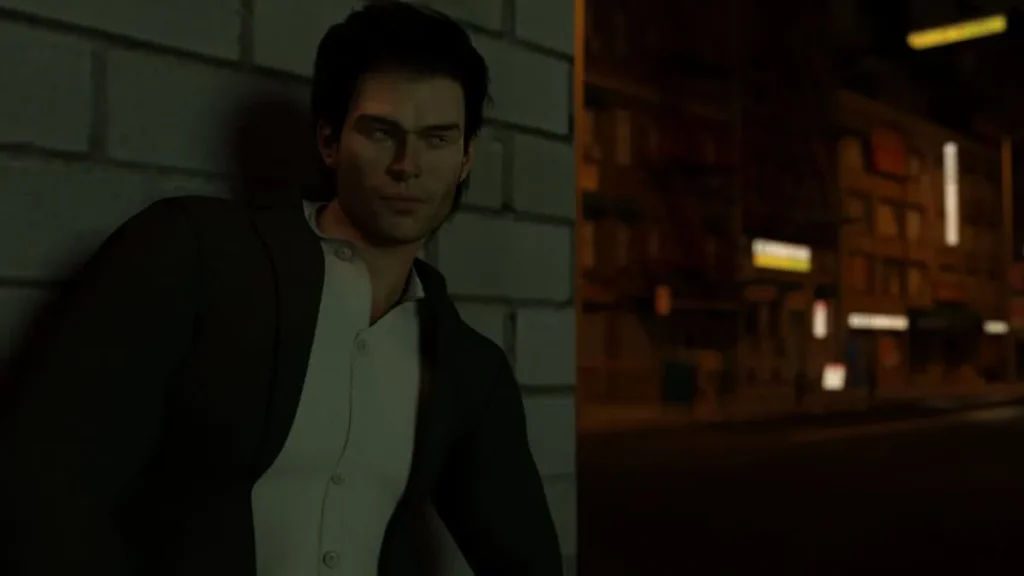


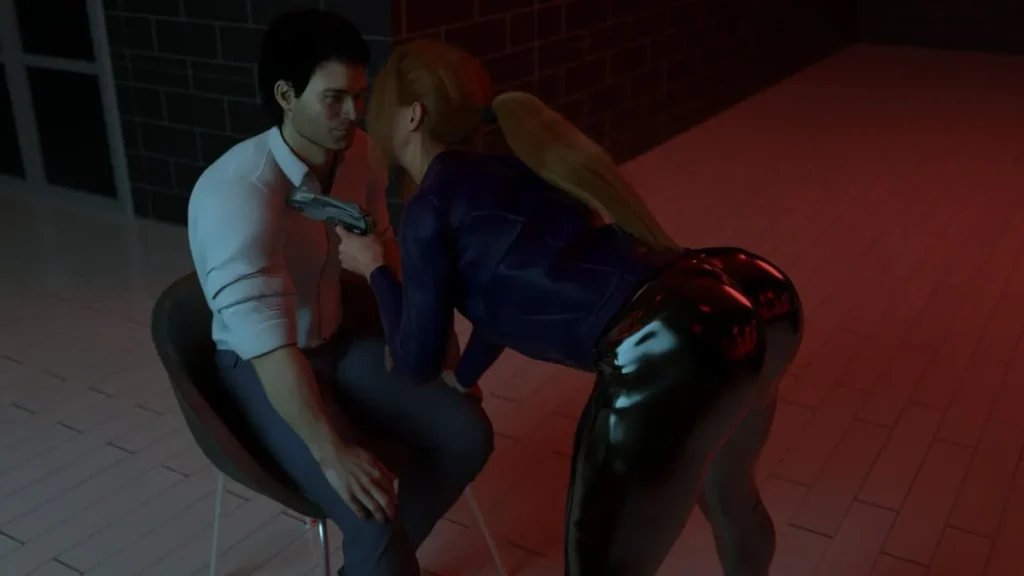



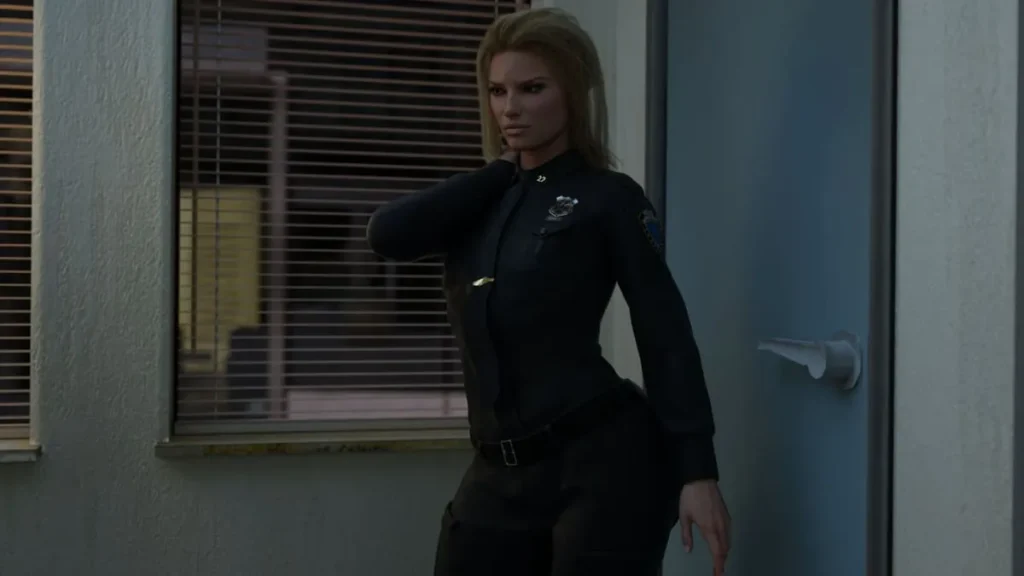
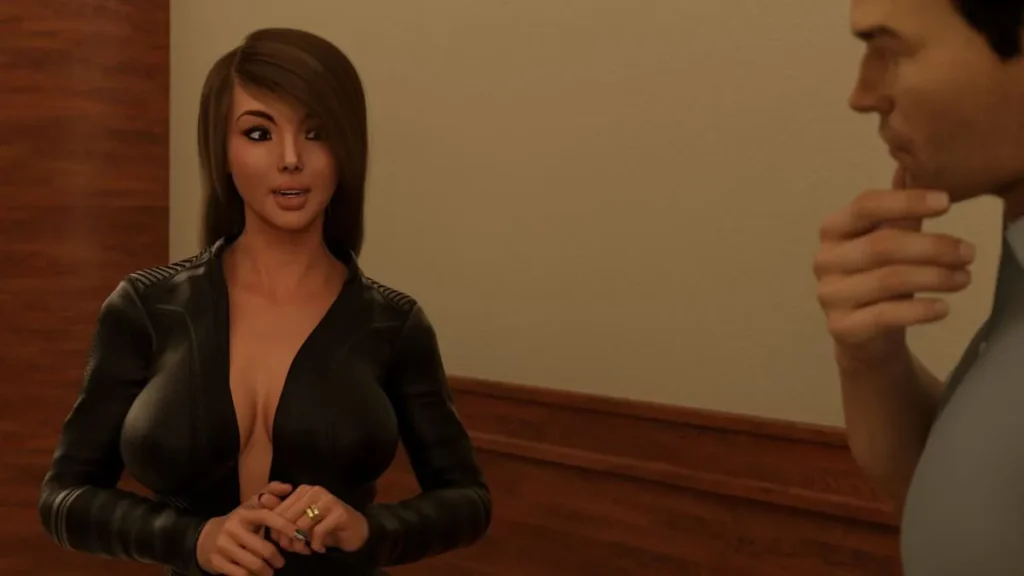

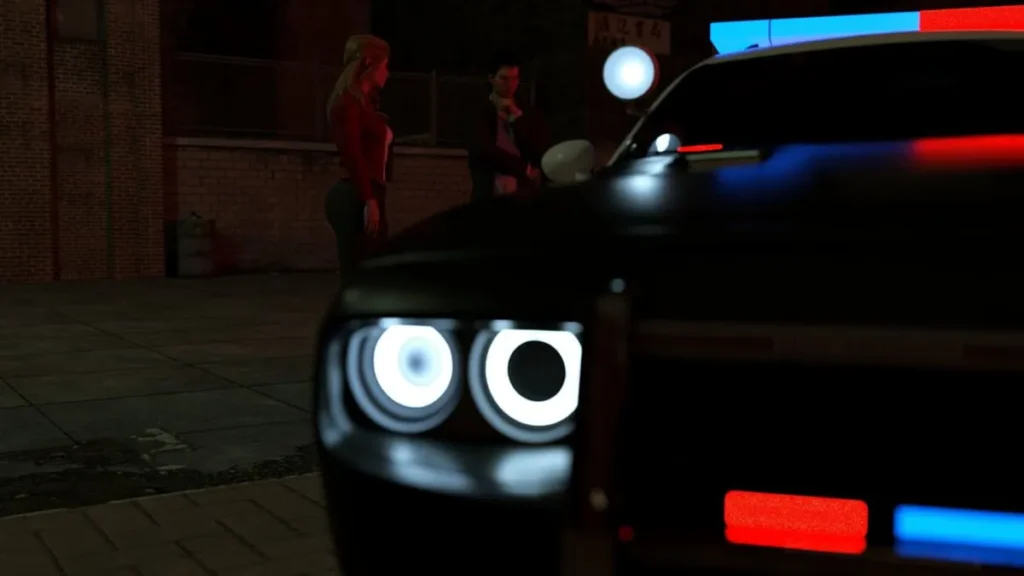
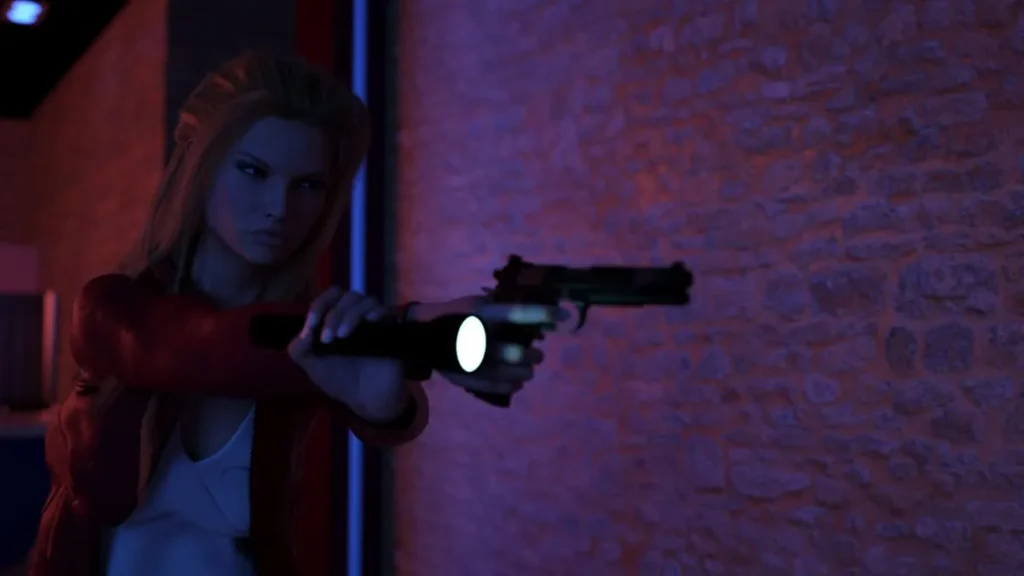
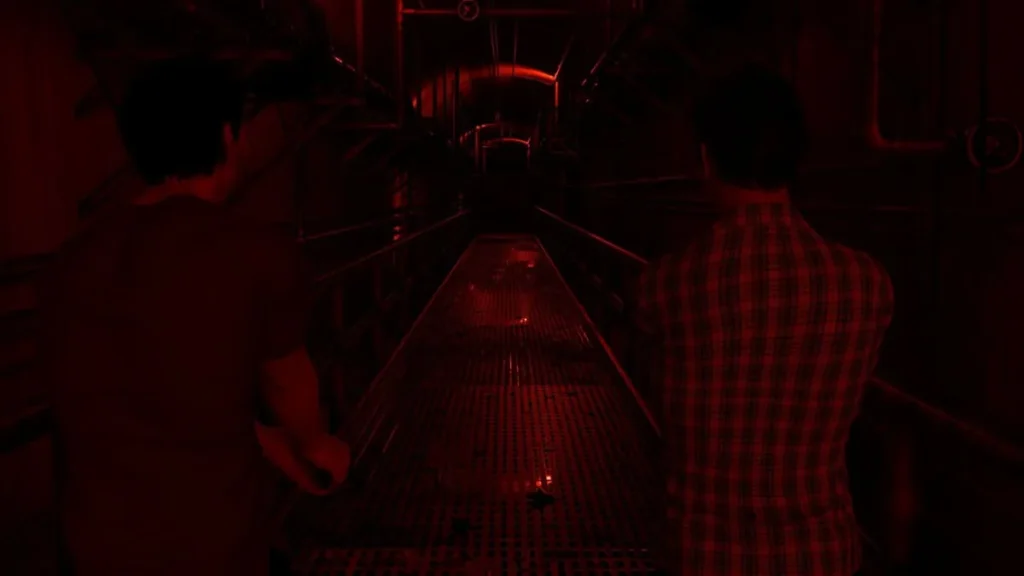


Deliverance review
In-depth walkthrough, tips, and personal insights on Deliverance
Deliverance is a single title that blends narrative-driven scenes, player choices, and interactive sequences to create a distinct experience. This article focuses exclusively on Deliverance and opens with a clear overview of the game, what to expect from gameplay, and why it has attracted a dedicated audience. I’ll share personal experiences from playing the game, highlight key mechanics, and provide step-by-step advice to help new players get comfortable quickly.
What is Deliverance and how does it play?
So, you’ve heard the name Deliverance floating around and your curiosity is piqued. Maybe a friend won’t stop talking about it, or you saw a haunting screenshot that stuck with you. But what is it, really? 🤔 If you’re tired of games that hold your hand or stories that forget to make you feel, you’re in the right place. Let’s pull back the curtain on this unforgettable experience.
This isn’t just another title on your digital shelf. Deliverance is a narrative-driven adventure that grips you by the heart and doesn’t let go. Think of it as a playable novel where every choice whispers, and every whisper echoes into a thunderous consequence. My goal here is to give you a crystal-clear Deliverance game overview—what it is, how it plays, and how you can start your journey. By the end, you’ll know if this is your next favorite story.
Overview and Premise of Deliverance
At its core, Deliverance is a story about sacrifice, redemption, and the fragile line between truth and belief. You step into a world shrouded in a quiet, melancholy beauty, where society’s remnants cling to life in the shadow of a forgotten catastrophe. The air feels heavy with memory, and every character you meet carries a hidden weight. It’s less about flashy action and more about the profound impact of human connection (and disconnection).
The narrative premise is its strongest hook. Without spoiling the magic, you play a character tasked with an impossible journey—not to slay a dragon, but to mend broken spirits and confront the ghosts of a collective past. The art style is painterly and deliberate, using a muted color palette that erupts into vivid splashes of color during key emotional moments. It’s stunning in a way that makes you want to just stop and absorb a scene. 🎨 The pacing is deliberate, like a slow-burning fuse. It asks for your patience and rewards it with layers of depth that faster-paced games often gloss over.
I remember my first hour vividly. I was wandering a rain-slicked street in a quiet town, the soundtrack just a soft piano and the patter of rain. I met an old woman tending a tiny, dying garden. The game presented me with a simple dialogue choice: acknowledge her struggle, or offer a practical, dismissive solution. I chose compassion. That small moment, that tiny connection, later blossomed into a pivotal piece of information that changed how I viewed the entire community. It taught me immediately that in Deliverance, kindness is never wasted, but it is also never simple. This is the essence of the Deliverance game overview: a world where the smallest gestures write the largest stories.
Core Gameplay Loop and Mechanics
Now, how does this all actually play? If you’re expecting complex combat or intricate crafting systems, you’ll need to adjust your expectations. The Deliverance gameplay mechanics are elegantly focused on interaction, observation, and choice. The primary verbs here are talk, look, listen, and decide.
The core gameplay loop is a rhythm of exploration and conversation. You navigate beautifully crafted, often confined environments, soaking in the atmosphere and looking for clues—a half-torn photograph, a discordant note in a diary, a meaningful glance between two characters. These elements build your understanding of the world. The real meat, however, is in the dialogue trees and decision points. Conversations are not just exposition dumps; they are delicate puzzles. You must read tone, context, and body language to choose responses that can build trust, sow doubt, or unravel a secret.
Pro Tip: Don’t rush through dialogues. The timer on choices is often generous, meant for contemplation, not panic. Use it. Think about what you’ve learned and what the character really needs to hear.
There’s a light resource management aspect, but it’s narrative-driven. You might manage a small inventory of symbolic items—a locket, a faded letter, a healing tonic—each tied to a character or memory. Using them at the right moment can open new paths or seal tragic fates. The save system is typically chapter-based or relies on key decisions, encouraging you to live with your choices rather than quick-scumming for a “perfect” run. This design is intentional; the weight of your decisions is the point.
Let’s break down the key Deliverance gameplay mechanics you’ll master:
* Scene Investigation: Click or hover to examine details that flesh out the story.
* Branching Dialogue: Your choices directly alter character relationships and story outcomes.
* Symbolic Inventory: Items are few but powerful, used to solve emotional or narrative “puzzles.”
* Memory Sequences: Key moments are played out in immersive flashbacks that you can sometimes influence.
The controls are simple—mostly point-and-click or basic movement with context-sensitive interaction. The complexity lies not in the inputs, but in the outcomes. One of my most harrowing early decisions involved distributing scarce supplies between two families. I had to choose based on fragmented stories and my own bias. The game didn’t judge me with a “good” or “evil” meter; it just showed me the chilling, quiet consequences days later. That’s the power of its design.
Platforms, Installation, and System Notes
Alright, you’re intrigued and ready to dive in. Let’s get you set up! Thankfully, getting Deliverance running is a straightforward process, but a few pointers will ensure a smooth start.
First, Deliverance platforms: The game is available on PC (via Steam and other major digital stores) and modern consoles. It’s a title that works beautifully with both a mouse for precise selection and a controller for relaxed couch play. 🎮
Now, for the crucial bit: Deliverance system requirements. It’s not a graphically punishing game, but its art style demands a stable frame rate to maintain its atmospheric spell. Here’s a plain-English breakdown:
| Platform | Minimum (It’ll Run) | Recommended (It’ll Shine) |
|---|---|---|
| PC (Windows) | An older quad-core CPU, 8GB RAM, and a graphics card with 2GB VRAM from the last 5-6 years. Think GTX 960 or equivalent. | A modern mid-range CPU, 16GB RAM, and a card like a GTX 1060 or RX 580 (4GB+). This ensures all visual details pop. |
| Modern Consoles | Runs smoothly on PlayStation 5, Xbox Series X/S, PlayStation 4, and Xbox One. The experience is optimized and nearly identical across them. | |
How to install Deliverance is a simple process:
1. Purchase the game on your platform of choice (e.g., Steam, PlayStation Store, Xbox Store).
2. Download it—the file size is mercifully modest compared to many modern titles.
3. Run the installer (on PC) or let the console do its thing.
4. Crucial PC Pitfall: The game may require a specific version of Visual C++ Redistributables or .NET Framework. If you launch and get an error, don’t panic! The installer usually bundles these, but they can be found freely on Microsoft’s website. Always run the game as an administrator on the first launch.
Once you’re in, I highly recommend these initial settings for the best experience:
* Performance: Enable V-Sync to prevent screen tearing. If you have a variable refresh rate monitor (G-Sync/FreeSync), use that instead.
* Graphics: Set texture quality to High if your VRAM allows. This is where the game’s painterly art shines. Shadows can be set to Medium for a good balance.
* Privacy/Gameplay: I strongly suggest turning off choice previews or indicators if the option exists. Not knowing the narrative “weight” of a dialogue option is part of the authentic, tense experience Deliverance offers.
Is Deliverance for Me?
So, after all this, should you play Deliverance? Let’s be honest—it won’t be for everyone. It’s a specific, mood-driven experience. Here’s a quick checklist to see if you and this game are a match. 👍👎
You will likely LOVE Deliverance if:
* You value a powerful, character-driven story above all else.
* You enjoy slowing down, reading environmental details, and piecing together lore.
* You believe that in games, consequences should be meaningful and permanent.
* You’re moved by melancholy, beautiful soundtracks and art direction.
* You like talking about “that choice you made” with friends for weeks afterward.
You might want to SKIP Deliverance if:
* You need constant action, combat, or kinetic gameplay to stay engaged.
* You prefer clear-cut “good/evil” morality systems.
* You get frustrated by slow pacing or stories that unfold through subtlety and implication.
* You exclusively play games for competitive or purely challenge-based reasons.
For me, Deliverance was a landmark experience. It’s a game that trusts its player with silence, that values emotional intelligence over reflexes, and that left me sitting in quiet contemplation long after the credits rolled. If the checklist above has you nodding, then your journey awaits. Just remember to listen closely—the most important moments are often whispers.
Deliverance is a focused title that rewards attention to choices, careful play, and community engagement. This guide walked you through what the game is, how to start, important early choices, walkthrough highlights, customization options, and practical safety steps. Try the starter checklist in the first chapter, back up your saves, and join one recommended community resource to get the most from the experience. If you enjoyed this guide, jump in and share your own story or questions with the community.