Play Adverse Effects
Adverse Effects Screenshots

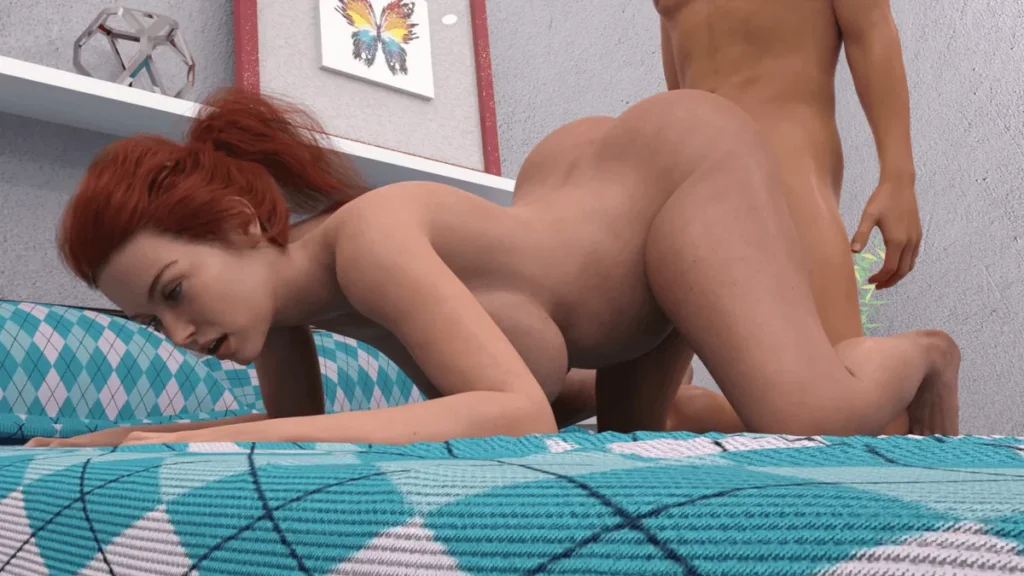
Adverse Effects review
Uncovering the real risks and impacts on players’ lives
Ever dove into ‘Adverse Effects,’ the controversial porn game that’s got players hooked? I remember my first encounter—it started as curiosity, but soon I noticed the pull. This game blends explicit content with immersive gameplay, but beneath the thrill lie serious adverse effects. From dopamine-driven cravings to distorted views on intimacy, ‘Adverse Effects’ can reshape your brain and relationships. In this post, I’ll share personal insights, real player stories, and actionable steps to navigate its dangers. Stick around to learn how to enjoy gaming without the fallout.
What Are the Main Adverse Effects of This Porn Game?
I remember the first time I played Adverse Effects. 😅 It was late, I was bored, and I thought I’d just check it out for a few minutes. Fast forward three hours, and I was still there, clicking away, completely oblivious to the world outside my screen. The initial “fun” was undeniable, but soon, those “just a few minutes” sessions became a nightly ritual. I started cancelling plans, telling myself I’d just log in to complete one more task, only to find myself trapped in another marathon. That was my first real, personal warning sign that this adverse effects porn game was more than just casual entertainment.
What I didn’t realize then was that my brain was being meticulously rewired. The game isn’t just designed to be engaging; it’s engineered to create a powerful player dependency on porn games. At the heart of this trap is a simple brain chemical: dopamine. Understanding this is key to understanding why walking away from Adverse Effects can feel so impossible.
How Dopamine Hooks You In and Leads to Dependency
Think of dopamine as your brain’s “reward signal.” It’s released when you do something pleasurable or satisfying, telling your brain, “That was good! Do it again!” 🧠 Normally, this system works for healthy behaviors. But Adverse Effects hijacks it with surgical precision.
Every visual reward, every progression unlock, every new explicit scenario triggers a dopamine hit. This isn’t accidental; it’s the core design. This constant stimulation teaches your brain to crave the game. Over time, you need more and more of it to feel the same pleasure—a process called building tolerance. This is the vicious cycle of dopamine addiction from Adverse Effects. You play more to chase that fading high, which further cements the neural pathways associated with the game.
This leads directly to Adverse Effects brain changes. The brain’s reward center becomes hyper-sensitized to the game’s stimuli, while the prefrontal cortex—responsible for decision-making and impulse control—can become underactive. The result? Powerful gaming porn cravings that feel less like a choice and more like a compulsion. You stop playing for fun and start playing to silence the urge, to feel “normal,” or to avoid the irritable, anxious feelings that creep in when you don’t play. This shift from desire to dependency is the real danger, and it’s what fuels the negative impacts of explicit games on daily life.
Real Player Stories: When Fun Turns into Obsession
You might think, “It’s just a game, I can handle it.” I thought that too. But the stories from other players show a chillingly common pattern. Here are two anonymized accounts that mirror classic patterns of addiction.
Mark’s Story: The Cost of Progression
Mark, a 28-year-old graphic designer, initially used Adverse Effects as a stress reliever after work. “It was my secret reward,” he said. But his playtime began to bleed into his workday. He’d take “quick breaks” that lasted an hour, miss deadlines, and his productivity plummeted. “I was so preoccupied with planning my next session in the game that I couldn’t focus on real projects.” It culminated in him missing a major client deliverable. He wasn’t fired, but he was put on a severe performance plan. The adverse effects porn game had nearly cost him his career. His wake-up call was seeing the disappointment in his manager’s eyes—a feeling no in-game achievement could ever fix.
Sophie’s Story: The Distance It Creates
For Sophie, a 32-year-old teacher, the impact was on her relationships. She began playing in the evenings, but soon, evenings turned into late nights. She’d be physically present with her partner but mentally miles away, thinking about the game’s mechanics and storylines. Dates were cut short, conversations felt hollow, and intimacy suffered. She became defensive and secretive about her phone and computer use.
“The worst part wasn’t the time I spent playing,” she shared. “It was the constant wanting to be playing. I’d be having dinner and just be thinking about getting back to it. I quit for a week once and felt so empty and agitated. That’s when I knew it had a real hold on me.”
This quote highlights the insidious nature of player dependency on porn games. The obsession isn’t confined to the screen; it invades your thoughts and pushes out the people who matter most.
Signs You’re Experiencing Negative Impacts
Recognizing the problem is the first step to addressing it. The signs of Adverse Effects obsession often creep up slowly, making them easy to dismiss. Here’s a list of key warning signs. If several of these feel familiar, it’s time to take an honest look at your habits. 🔍
| Sign | What It Looks Like |
|---|---|
| Preoccupation | Thinking about the game constantly when you’re not playing. Planning your next session dominates your free mental space. |
| Loss of Control | Repeatedly failing to stick to the limits you set for yourself (e.g., “Just one hour” turns into four). |
| Escalation | Needing to spend increasing amounts of time or unlock more extreme content to achieve the same level of excitement or satisfaction. |
| Withdrawal | Feeling restless, irritable, angry, or sad when you are unable to play or try to cut down. |
| Loss of Interest | Hobbies, social activities, and friendships that were once enjoyable fade away because they don’t provide the same dopamine hit as the game. |
| Continued Use Despite Consequences | Playing even though you know it’s causing problems with your job, education, or relationships. |
| Deception | Lying to family, friends, or partners about how much time you spend playing Adverse Effects. |
| Mood Regulation | Using the game as the primary way to escape problems, relieve feelings of helplessness, guilt, anxiety, or depression. |
These signs point directly to the underlying dopamine addiction from Adverse Effects and the resulting Adverse Effects brain changes. Your brain has started to treat the game as a primary source of reward and regulation, which is a precarious position to be in.
So, what can you do if you see yourself in these stories or signs? The path isn’t easy, but it is simple. Start with awareness. Use your phone’s screen time tracker or a simple notebook to log your actual playtime for a week—the results are often shocking. 🚨 From there, set strict, non-negotiable limits using alarms. Create “game-free” zones in your day, especially the first hour after waking and the last hour before bed. Most importantly, reintroduce real-world rewards: exercise, a hobby you’ve neglected, face-to-face time with a friend. This helps your brain rebuild healthy dopamine pathways and directly counters the gaming porn cravings.
The negative impacts of explicit games like Adverse Effects are real and neurological. It’s not about willpower; it’s about a designed system that exploits your brain’s natural wiring. Acknowledging this is not a sign of weakness, but the first, crucial step toward reclaiming your focus, your time, and your real-life connections. In the following sections, we’ll dive deeper into each of these areas, unpacking the science of addiction and building a practical toolkit for recovery.
We’ve explored the gripping world of ‘Adverse Effects’ and its sneaky pitfalls—from dopamine traps to real-life fallout on relationships and mental health. My own brush with it taught me balance is key; don’t let the game control you. If you’re feeling the pull, start small: track your sessions, talk to a friend, or seek pro help. Reclaim your time and joy beyond the screen. What’s your next step? Share in the comments and take action today for a healthier gaming life.